How Businesses Can Register a Trademark and Stop Competitors from Copying Their Brand
Protecting Your Brand Starts with Trademark Registration
Your brand is one of your most valuable business assets. Without legal protection, your logo, business name, or slogan could be copied by competitors with little recourse. That’s where trademark registration becomes essential. By officially registering your trademark with the United States Patent and Trademark Office, you gain exclusive rights to use and protect your brand.
Businesses that fail to register risk confusion in the marketplace, diluted brand recognition, and possible loss of market share. Registering your mark isn't just a legal formality—it's a strategic defense.
What Is a Trademark and Why It Matters
Any term, phrase, symbol, sound mark, or design that defines and sets your products or services apart is a trademark. It tells consumers who you are and builds trust over time. Common examples include brand names, logos, and taglines.
You can use strong legal instruments to prevent infringement and safeguard your identity across the country with a registered trademark. Without one, your rights are limited to local or unregistered use, which can leave your business vulnerable.
Starting with a Comprehensive Trademark Search
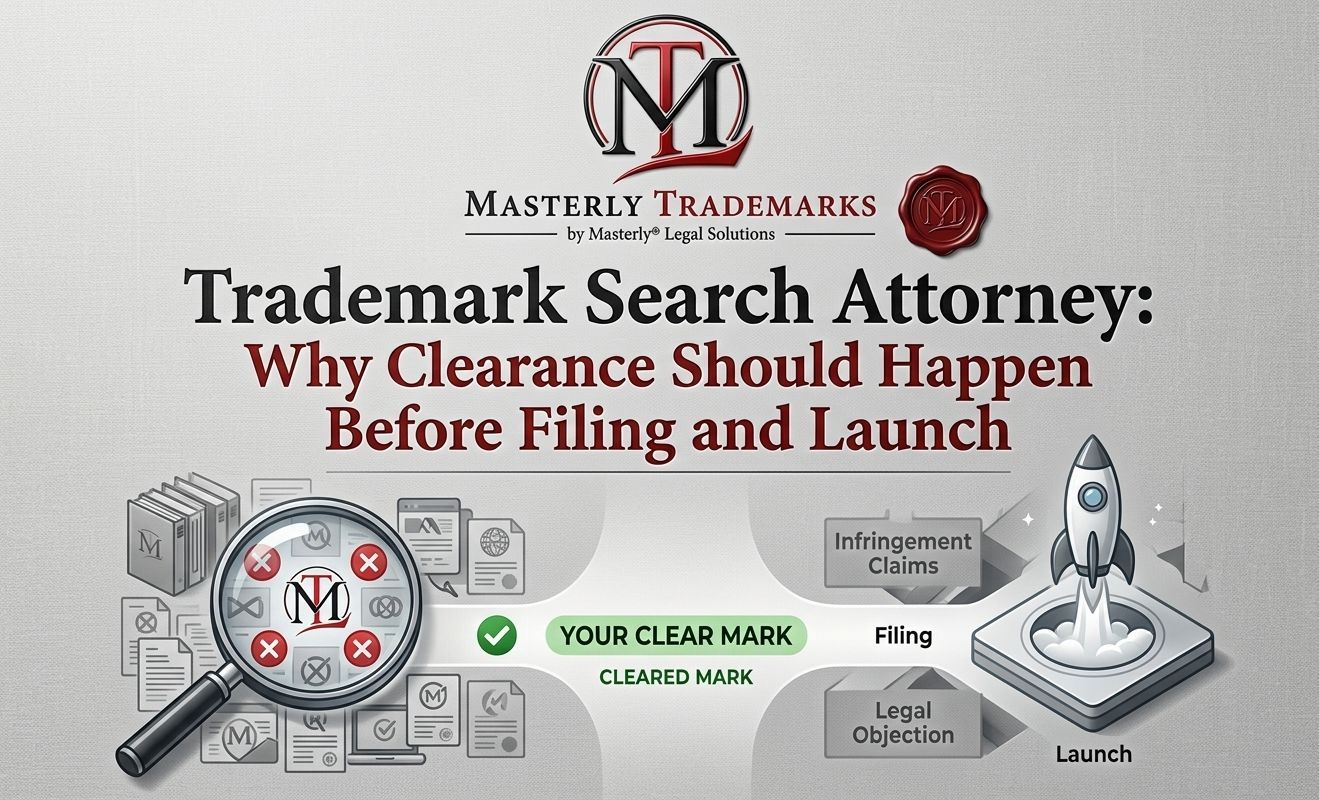
Before you file for a trademark, the first step is to conduct a thorough trademark search. This helps uncover potential conflicts and ensures your desired mark isn’t already in use or too similar to another brand.
Working with an experienced trademark attorney during this phase can save you time and money by identifying red flags early. The goal is to avoid costly legal battles or rejection later in the process.
Preparing and Submitting Your Trademark Application
The trademark application process involves several steps that must be completed with accuracy. Submitting incorrect information or leaving out key details can lead to delays or a final refusal by the trademark office.
When you file, you must:
- Choose your filing basis (use in commerce or intent to use)
- Identify the goods/services connected to the mark
- Include a clear image or description of the mark
- Submit the appropriate filing fee
This step is where businesses often benefit from professional assistance to avoid common pitfalls.
Understanding the Role of the Examining Attorney
Once your application reaches the trademark office, it is assigned to an examining attorney. Their job is to review your submission for accuracy, legality, and potential conflicts with existing marks.
The examining attorney may issue an office action if any issues arise. This document outlines problems with the application, such as:
- Similarity to an existing registered trademark
- Incomplete application data
- Improper identification of goods or services
Responding to an office action correctly and within deadlines is crucial to avoid rejection.
The Trademark Official Gazette and Oppositions
If your application passes initial review, it will be published in the Trademark Official Gazette. This is a public notice that allows other trademark owners to object if they believe your registration infringes on their rights.
Objections, or oppositions, can stall or cancel your registration. A trademark attorney can represent you during this stage and help defend your mark if challenged.
Federal Registration vs. Common Law Rights
While you do have some trademark rights by using your brand name in commerce, these are limited. Only federal registration through the United States Patent and Trademark Office provides nationwide protection, legal presumptions, and the ability to file in federal court.
Benefits of federal trademark registration include:
- Exclusive rights to use the mark nationwide
- Presumption of ownership and validity
- Listing in the official USPTO database
- Ability to file for foreign registration
- Stronger grounds for stopping trademark infringement
The Importance of Trademark Protection in a Competitive Market
Competitors are always looking for ways to capitalize on a successful brand. Without proper trademark protection, your identity could be mimicked by others offering lower quality products or services. This not only hurts your reputation but confuses your customers.
Registering your mark puts the world on notice that you own the rights, making it easier to shut down copycats and build long-term value in your brand.
How Trademark Filing Secures Your Brand Identity
A successful trademark filing creates a legal barrier between your brand and would-be infringers. It prevents others from using similar names or visuals that could dilute your image.
Securing your mark is particularly important if:
- You operate online or nationally
- You plan to expand into new markets
- Your brand is gaining media or consumer attention
- You want to license or franchise your business
Every serious business should consider registering a trademark as part of their brand strategy.
Safeguarding Sensitive Information During Registration
When dealing with online applications and communications, it’s critical to use secure websites that keep your sensitive information safe. Whether you're uploading images, submitting documents, or making payments, always verify that you’re safely connected to the official USPTO or working with a verified legal partner.
Protecting your privacy is as important as protecting your brand.
What Happens After You Register a Trademark
Once registered, your trademark enters the official federal database and becomes part of the public notice system. You will receive a formal registration certificate and can use the ® symbol next to your brand name or logo.
However, maintaining your trademark rights requires ongoing vigilance. You'll need to:
- Monitor for infringement
- Renew your registration periodically
- Respond to misuse or dilution quickly
- File maintenance documents and pay additional fees as required
Letting your registration lapse could lead to cancellation or loss of rights.
How a Trademark Attorney Makes the Process Easier
Working with a knowledgeable trademark attorney can save you time, reduce errors, and improve your odds of success. From the initial trademark search to responding to office actions and maintaining your mark, an attorney provides end-to-end guidance.
Many businesses choose to partner with firms like Masterly Trademarks to ensure their application is complete, timely, and b
acked by legal strategy. DIY filings often miss critical steps that can cost more in the long run.
Registering a Trademark Protects More Than Just a Logo
A trademark can cover many parts of your brand beyond just a logo or business name. With the right application, you can also protect:
- Taglines and slogans
- Product packaging
- Sounds or jingles
- Stylized fonts or design elements
This broad protection gives you the power to stop infringers from using any part of your brand identity.
Foreign Registration and Global Expansion
If your business plans to operate internationally, consider foreign registration through treaties like the Madrid Protocol. Registering in the U.S. is a smart first step, but international filings help protect your brand on a global scale.
An experienced attorney can assist with global filings and coordinate efforts across multiple countries and legal systems.
Common Trademark Filing Mistakes to Avoid
The application process may seem straightforward, but small errors can lead to big delays or refusals. Common mistakes include:
- Choosing a generic or descriptive mark
- Failing to conduct a proper search
- Filing under the wrong filing basis
- Listing the wrong owner or entity
Avoiding these mistakes starts with clear intent, accurate documentation, and proper legal counsel.
When Is the Right Time to File for a Trademark?
Ideally, you should file for a trademark before launching your brand publicly. If your business is already active, it’s never too late to file. Early registration helps prevent infringement before it starts and gives you the tools to take swift legal action if needed.
The best time to file is before competitors or counterfeiters find a reason to copy your success.
The Role of the Trademark Center and USPTO
The Trademark Center of the Patent and Trademark Office serves as a resource hub for applicants. However, it doesn’t provide legal advice or help with errors.
This is why having a qualified trademark attorney is crucial—they bridge the gap between official resources and real-world protection.
A Trademark Is an Investment in Your Brand’s Future
Protecting your brand through trademark registration is not just a legal step—it's an investment in your business’s long-term success. It shows your customers, partners, and competitors that you take your brand seriously.
Strong trademarks can increase your company's valuation, open new revenue channels, and serve as valuable assets in licensing or sale agreements.
Let Us Help You Register and Defend Your Trademark
Your brand is too important to leave unprotected. At Masterly Trademarks, we help entrepreneurs, creatives, and business owners navigate the trademark registration process from start to finish. From your initial trademark search to submission of your application form, we handle the details so you can focus on growth.
If you're unsure how to file for a trademark, respond to an office action, or safeguard your brand identity, we’re here to help.
Contact us at (972) 236-5051 to schedule a free consultation and get the guidance you need to protect what you've built. Let us show you how strategic trademark registration stops competitors in their tracks and secures your business for the future.
You might also like