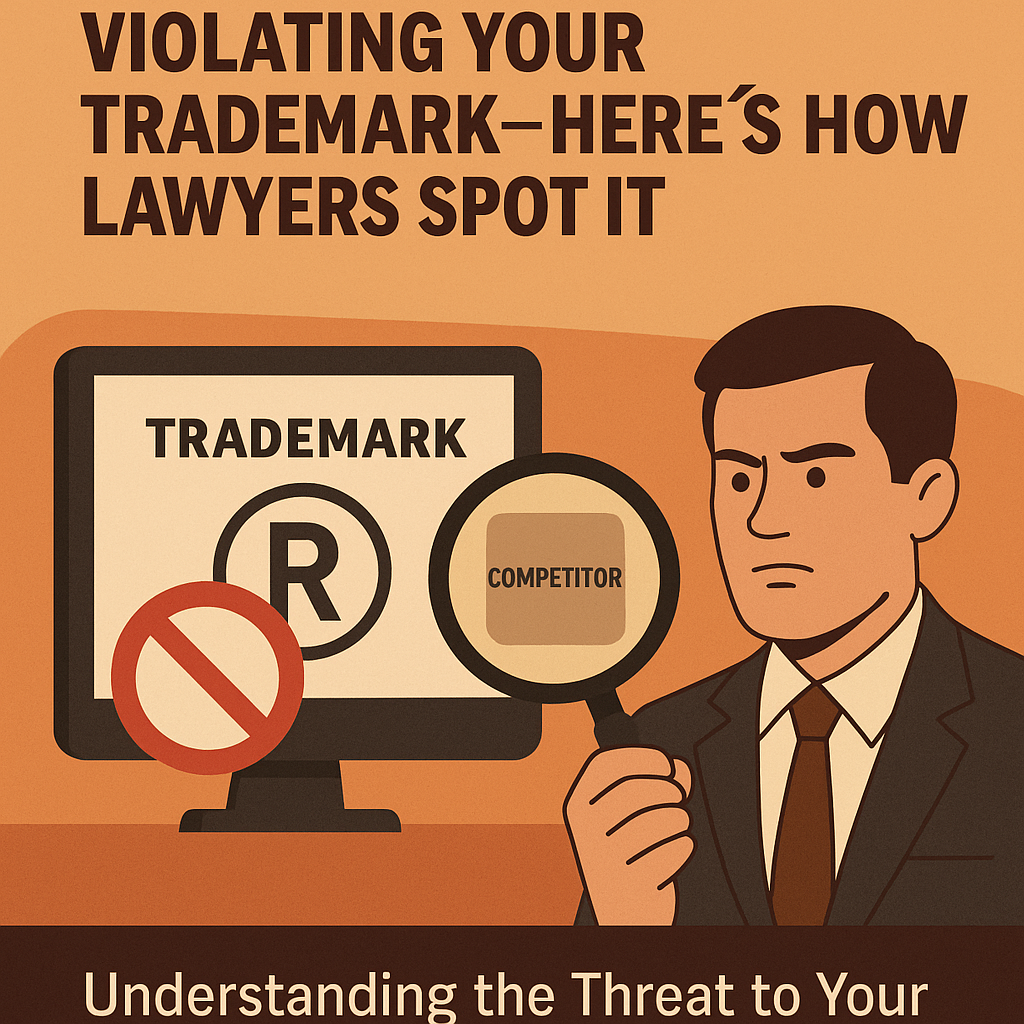
Your Competitor Might Already Be Violating Your Trademark—Here’s How Lawyers Spot It
In today's crowded marketplace, trademark infringement is more common than many business owners realize. Without effective monitoring services, competitors can quietly encroach on your intellectual property. These violations often go unnoticed until significant brand damage has already occurred.
Trademark monitoring lawyers play a critical role in defending your brand. Their tools, training, and timely response capabilities allow businesses to detect potential threats and act before long-term harm sets in. If you're not actively monitoring trademark activity, you may already be at risk.
What Trademark Monitoring Lawyers Actually Do
Many business owners assume that once they complete trademark registration, their brand is safe. This belief leaves them vulnerable. Trademark attorneys provide ongoing trademark monitoring to detect potential infringements early.
Their work includes:
- Searching the USPTO database for new and similar trademarks
- Monitoring social media platforms and search engines
- Tracking domain names and online platforms for unauthorized use
- Issuing cease and desist letters to infringing parties
- Offering tailored insights based on your trademark portfolio
These monitoring services are vital for maintaining legal protection and competitive edge.
Why DIY Monitoring Falls Short
Automated alerts and trademark watch tools are helpful, but they aren’t enough. These services often generate false positives or miss nuanced threats like design marks or confusingly similar business names.
Experienced attorneys understand context and can assess:
- Whether a similar mark causes consumer confusion
- If a trademark dilution claim is justified
- Whether potential trademark infringements cross legal thresholds
Only legal counsel can offer actionable insights that lead to effective legal protection.
Early Detection Can Save Your Brand
The longer a potential conflict is allowed to persist, the harder it becomes to resolve. Early detection allows for immediate action, from investigating potential threats to sending a timely desist letter.
Trademark monitoring lawyers provide monthly reports and alert systems that identify potential risks before they escalate. This proactive approach helps protect brands and maintain their reputation in competitive industries.
Spotting Infringement Before It Damages Your Reputation
Monitoring services aren’t just about legal compliance; they’re about brand survival. If someone else uses a similar trademark or domain name, it can:
- Create consumer confusion
- Devalue your registered trademarks
- Lead to loss of market share
- Damage brand integrity on online platforms
Trademark attorneys can respond quickly with appropriate legal action, helping you avoid costly litigation and restore control.
How Masterly Trademarks Conducts Comprehensive Brand Protection
Our law firm, Masterly Trademarks, specializes in delivering a trademark monitoring service that goes beyond simple alerts. We work closely with clients to:
- Monitor trademark applications through the USPTO
- Identify similar trademarks in real time
- Provide global coverage to account for international risks
- Track infringing content on social media and e-commerce platforms
- Enforce trademark rights with legal precision
We tailor our services to your specific industries and business goals.
Beyond the USPTO: Tracking Infringement Across the Internet
Trademark infringement doesn’t only happen in federal trademark registration databases. Counterfeit products and unauthorized branding are common across social media platforms, websites, and marketplaces.
Our attorneys use sophisticated watch services and alert systems to uncover:
- Infringing ads and listings
- Use of your brand name or similar marks in unauthorized ways
- Competitors using your design marks or similar domain names
This level of scrutiny ensures full-spectrum brand protection.
False Security: Don’t Let Trademark Registration Fool You
A federal trademark registration is powerful, but it’s not a shield unless monitored. If you’re not actively managing your trademark portfolio, it becomes vulnerable to trademark dilution and infringement.
Trademark monitoring lawyers ensure your legal protections are enforced through:
- Timely action on new USPTO filings
- Legal services that cover response deadlines
- Protection against similar marks in competitive industries
Our clients don’t just register—they defend.
Legal Action Starts with Awareness
The first step toward legal action is knowing there’s a problem. Many small businesses wait until damage is done. But a strong trademark monitoring strategy identifies potential risks when they're still manageable.
Our attorneys craft cease and desist letters that get results and prepare you for litigation if necessary. From Arizona Supreme Court cases to complex infringement battles, we’ve got the experience to respond quickly and effectively.
What You Gain With Our Trademark Monitoring Service
When you work with Masterly Trademarks, you receive:
- A dedicated legal team that understands your trademark rights
- Monitoring services for new and existing trademarks
- Comprehensive reports highlighting trademark activity
- Alerts on trademark applications and USPTO database updates
- Early detection of potential conflicts and actionable insights
This isn’t just a service—it’s an essential part of protecting your brand.
Don't Wait for Infringement to Escalate
Competitors move fast. If someone is attempting unauthorized use of your business name, domain, or registered mark, you need immediate legal support. Our trademark attorneys are ready to assess your risk and take decisive steps.
Whether it’s through monitoring online brand protection, evaluating false positives, or tracking infringement through watch services, we make sure your assets are defended.
Your Competitive Edge Depends on Protection
Think of trademark monitoring as your brand’s security system. Without it, you’re exposed to counterfeit products, unauthorized resellers, and similar trademarks that confuse your customers.
Our legal services don’t just react—they anticipate. With tailored monitoring, timely alerts, and legal counsel on call, Masterly Trademarks gives your business the edge it needs.
It’s Time to Take Control of Your Trademark Protection
Your intellectual property is more than paperwork—it’s your reputation. Let us help you protect it.
The Best Trademark Monitoring Service for Comprehensive Brand Protection
When it comes to securing your intellectual property, choosing the best trademark monitoring service is more than a convenience—it's a necessity. At Masterly Trademarks, we provide a full-spectrum solution that goes far beyond automated alerts. Our service is built around legal expertise, real-time insights, and proactive enforcement, making it the top choice for brands seeking unmatched protection.
What Makes Our Service Stand Out?
1. Legal-Driven Monitoring
Unlike tech-only solutions, our monitoring is backed by experienced trademark attorneys who analyze every alert for legitimacy, context, and risk. We identify potential trademark infringements and assess confusingly similar marks across multiple jurisdictions.
2. Coverage That Goes Beyond the USPTO
We monitor far more than just USPTO filings. Our team scans:
- Global trademark offices
- Online platforms
- Domain name registries
- Social media platforms
- E-commerce and search engines
3. Actionable Intelligence, Not Just Data
We don’t overwhelm you with false positives. Instead, we provide tailored monthly reports, timely alerts, and strategic recommendations—all reviewed by trademark monitoring lawyers who understand your brand’s position.
4. Immediate Legal Action When Needed
If a threat arises, our attorneys can swiftly issue a cease and desist letter, handle trademark infringement claims, or initiate litigation if needed. We’re your partner in both monitoring and enforcement.
5. Customized Watch Services for Every Business
Whether you're a startup or managing an international trademark portfolio, we offer scalable, industry-specific monitoring solutions to match your brand’s size and risk exposure.
A Trademark Monitoring Law Firm That Works Proactively to Protect Your Brand
When you need more than automated alerts—when real legal protection is your priority—working with a trademark monitoring law firm like Masterly Trademarks is your best move.
Unlike generic monitoring software, our firm combines legal insight, custom surveillance, and fast response strategies to defend your intellectual property across every channel.
What Sets Our Law Firm Apart?
✔ Legal Oversight from Day One
Each alert is reviewed by seasoned trademark attorneys, not bots. We assess infringement risk, provide legal opinions, and ensure you’re fully informed on potential threats and applicable deadlines.
✔ Monitoring That Goes Beyond the USPTO
We track:
- USPTO trademark applications and filings
- Social media platforms and search engines
- Domain names and online marketplaces
- Competing business names and similar marks globally
✔ Fast, Strategic Legal Action
If we identify potential trademark infringement, we act immediately. Whether it’s a cease and desist letter, litigation preparation, or compliance enforcement, our firm moves decisively to protect your rights.
✔ Customized Protection for Every Brand
Whether you manage a single registered trademark or a diverse trademark portfolio, our watch services and monthly reports deliver tailored coverage, allowing you to respond quickly and confidently.
Why Choose Masterly Trademarks as Your Trademark Monitoring Law Firm?
- Experienced attorneys in intellectual property law
- In-depth understanding of trademark dilution, confusingly similar marks, and legal compliance
- Early detection systems that prevent unauthorized use and brand erosion
- Global coverage with local insight for specific industries and online platforms
At Masterly Trademarks, we believe your brand deserves protection at every stage—from federal trademark registration to ongoing enforcement.
Book a Free Consultation with Our Legal Team
You don’t have to wait until you’re dealing with infringement. Get ahead of potential conflicts by partnering with a law firm that’s built to monitor, assess, and act. Our trademark monitoring lawyers are ready to evaluate your current coverage and provide actionable insights.
Talk to a Trademark Monitoring Lawyer Today
If you're unsure whether your brand is currently protected, you're not alone. Potential trademark infringements are often hidden until the damage is done. Our experienced attorneys at Masterly Trademarks offer a free consultation to evaluate your current exposure and explain how our trademark monitoring service works.
We’ll answer your questions, help you understand the risks specific to your industry, and guide you toward effective protection strategies that give you peace of mind.
Call us at (972) 236-5051 to schedule your free consultation and protect what you’ve worked hard to build.
You might also like