No Trademark? No Business Protection.
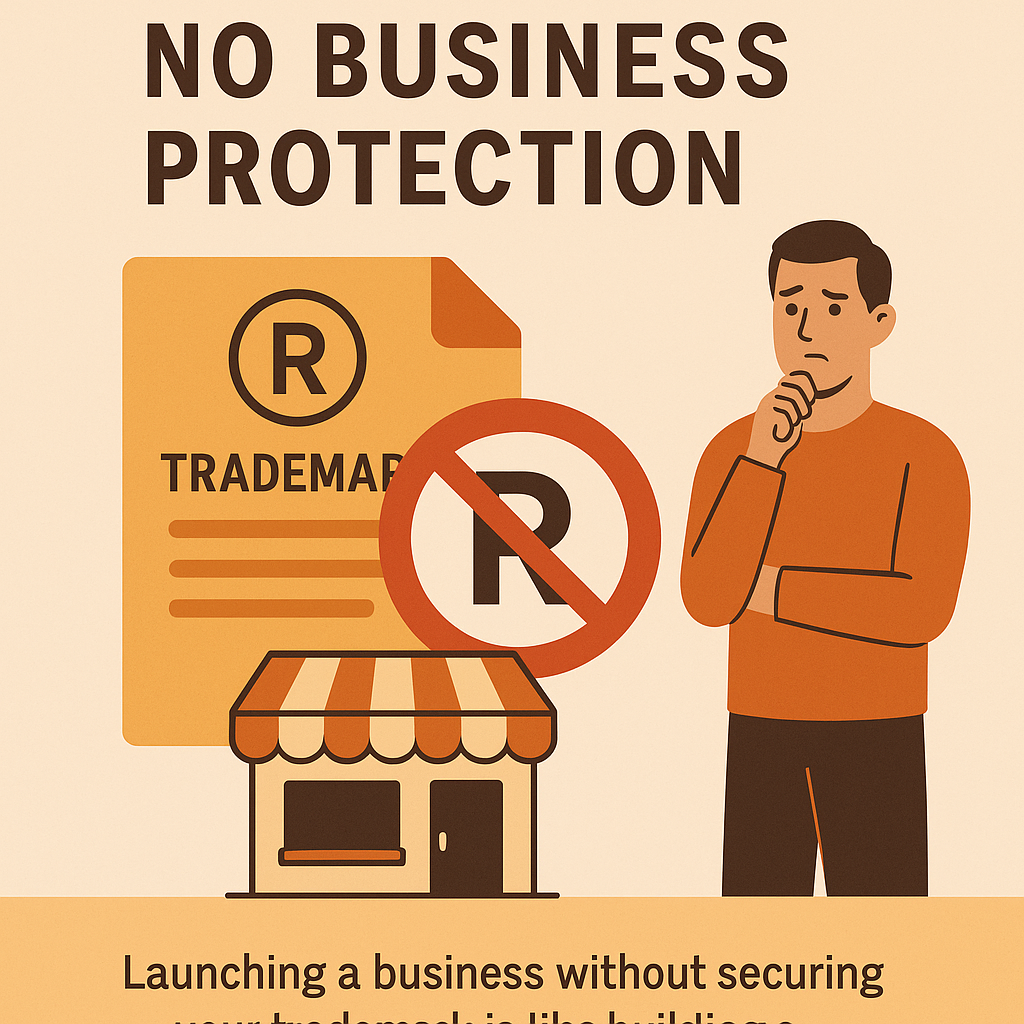
Launching a business without securing your trademark is like building a house with no front door. You may operate for a while, but sooner or later, someone will walk in and take what you've built. At Masterly Trademarks, we meet entrepreneurs every day who thought their business name or logo was safe, only to face legal threats or market confusion due to a lack of proper trademark registration.
What Is Trademark Protection and Why It Matters
A trademark identifies and distinguishes your brand from competitors. It protects brand names, slogans, logos, and even unique sounds—known as sound marks. Through trademark protection, you gain the exclusive legal right to use your mark in connection with your goods or services. This prevents competitors from copying or imitating your identity.
Without a registered trademark:
- You can't stop someone else from using a similar name
- Your trademark rights are weak and limited
- You risk losing customers to brand confusion
The Legal Weight of Federal Registration
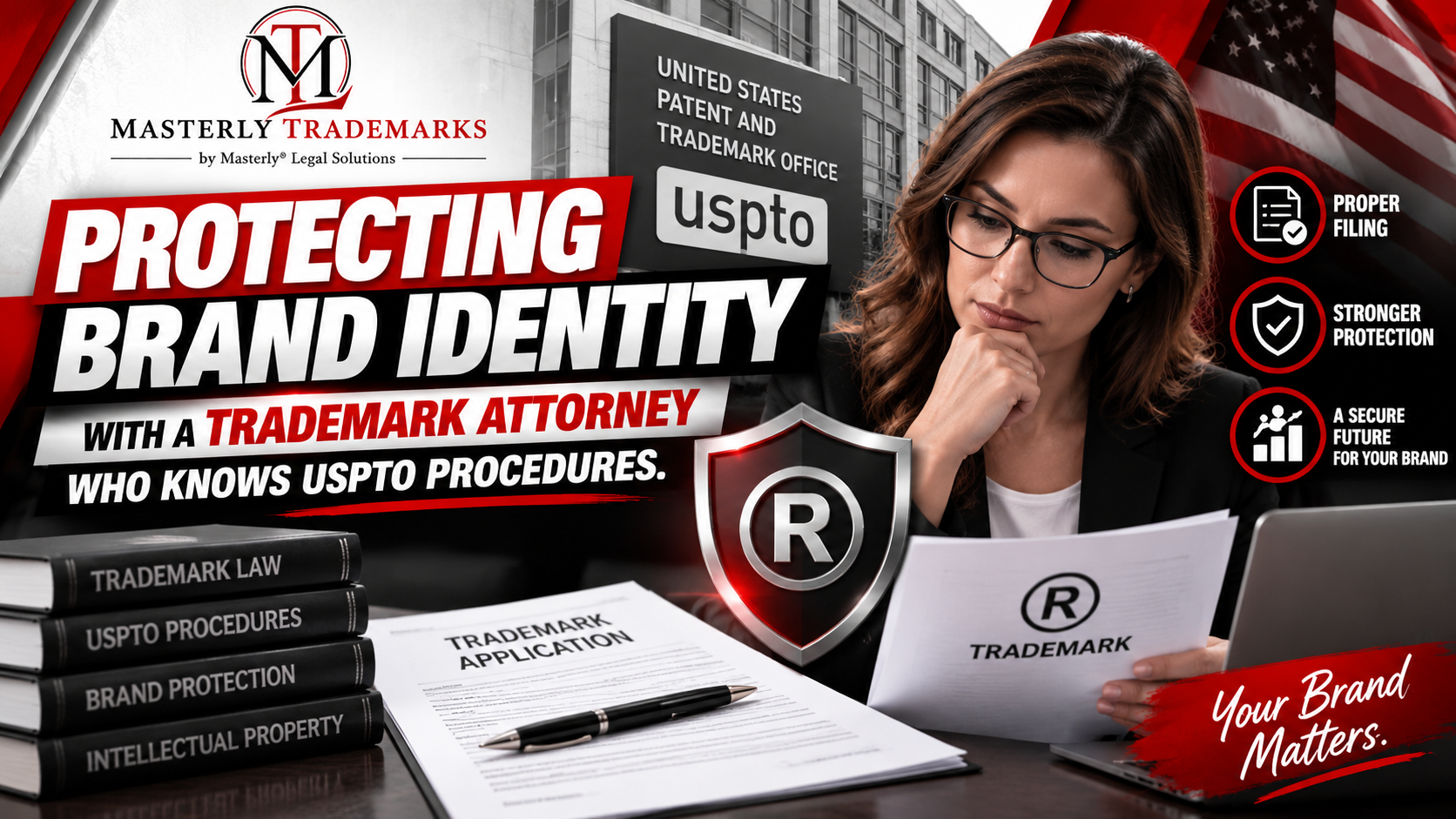
Registering your trademark with the United States Patent and Trademark Office (USPTO) offers the strongest form of protection. Federal registration gives you rights that common law trademarks simply do not.
Benefits include:
- Nationwide notice of your ownership
- Legal presumption of your exclusive rights
- Right to bring legal action in federal court
- Ability to record with U.S. Customs and Border Protection
Don’t rely on informal use alone. Legal rights start when you register.
The Cost of Doing Nothing
Think skipping the filing fee or putting off the process saves you money? Think again. Trademark disputes can cost small businesses thousands in legal fees, rebranding costs, and lost opportunities. Without proper trademark services, your brand is left exposed to theft, confusion, and trademark infringement claims.
In worst-case scenarios, businesses face:
- Final refusal of their trademark application
- Court-ordered name changes
- Complete rebranding expenses
What you save today in fees may cost you everything later.
Why Business Owners Can't Afford to Wait
As your brand grows, so does its value. But if someone else files first, they could lock you out of your own name. The USPTO follows a "first to file" system, which means the clock is ticking the moment you start using your brand.
Acting now ensures:
- Priority over late filers
- Protection before you scale
- Peace of mind as you expand
Every day you delay is a day you risk losing your name.
Understanding the Registration Process
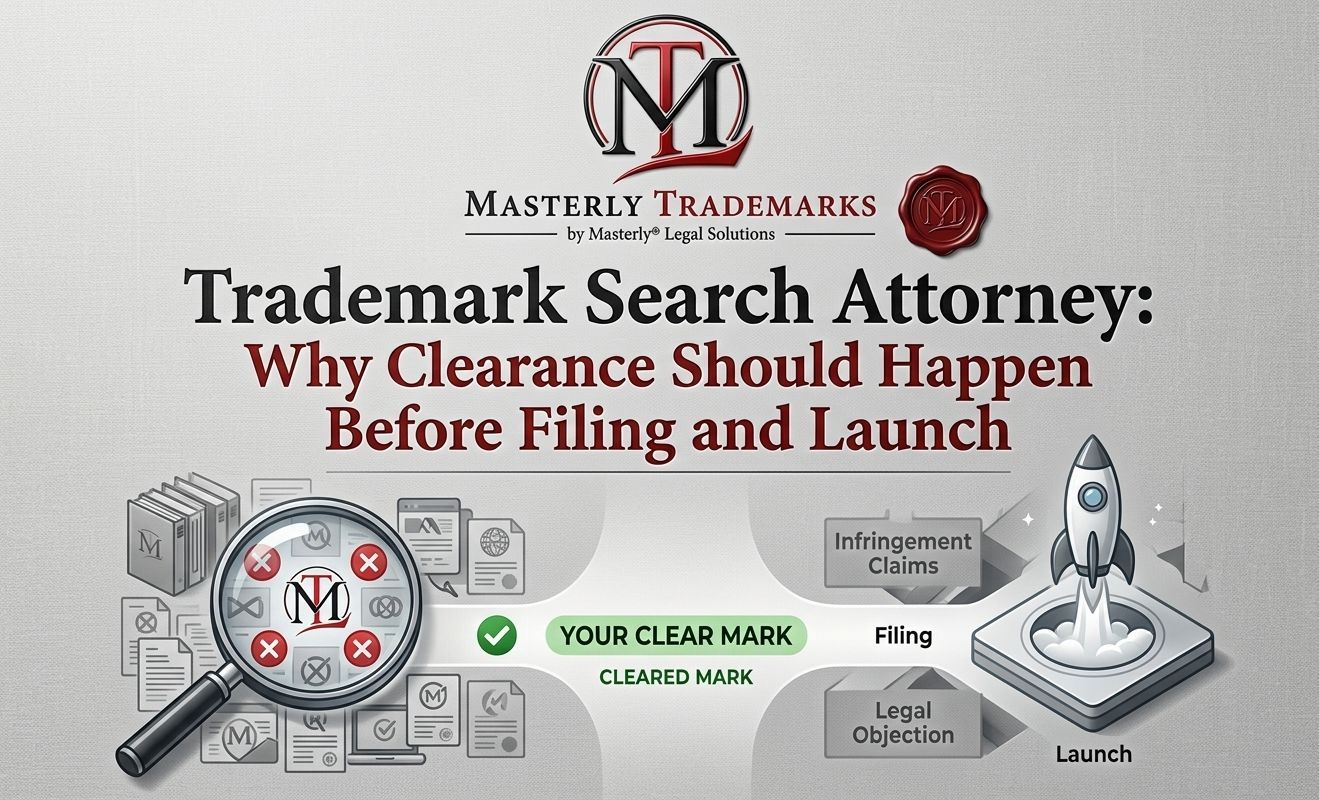
The trademark registration process begins with a comprehensive trademark search to ensure your mark isn’t too similar to existing registered trademarks. Once your search clears, you move on to the trademark filing and submission of your application.
The steps include:
- Determining your filing basis (use in commerce or intent to use)
- Submitting the appropriate forms and filing fee
- Responding to any office actions or challenges from an examining attorney
- Publication in the Trademark Official Gazette
- Awaiting final approval
It’s a complex process best handled by an experienced trademark attorney.
Mistakes in the Application Process Can Be Fatal
A simple error in your application process can lead to rejection or even cancellation. The USPTO is strict, and its trademark office, as an agency, doesn’t give second chances without additional fees.
Common mistakes include:
- Choosing a generic or descriptive mark
- Applying under the wrong filing basis
- Failing to respond to an office action
- Providing incorrect details about your goods or services
These errors can delay or derail your brand protection entirely.
What Trademark Services Actually Do for You
Hiring a professional for trademark services ensures every step is handled correctly and strategically. At Masterly Trademarks, we:
- Conduct full trademark searches
- Prepare and file your application
- Respond to challenges and office actions
- Advise on foreign and international registration
- Manage the registration of multiple marks for complex businesses
This isn’t just paperwork—it’s legal protection that defines your business's future.
The Risk of Trademark Infringement
Without trademark protection, you're an easy target for copycats and opportunists. Worse, you could unknowingly infringe on someone else’s mark, triggering a cease-and-desist or lawsuit. These disputes often involve:
- Costly settlements
- Lost inventory
- Negative PR and brand trust issues
A trademark attorney can help you avoid legal pitfalls before they happen.
What Happens If You Don't Register?
Failure to register puts you at risk of:
- Losing your rights outside of your immediate location
- Facing name disputes on Amazon, Etsy, or Google
- Being blocked from trademarking later due to a final refusal
- Losing the power to license your brand
Your brand's strength starts with its legal status.
How Registered Trademarks Increase Business Value
If you plan to sell, franchise, or license your business, your registered trademarks are critical assets. Buyers and investors look for legally protected brands they can scale confidently.
Strong trademarks:
- Increase business valuation
- Create licensing opportunities
- Build consumer trust
No protection? No leverage.
The Role of Trademark Attorneys in Business Strategy
An experienced trademark attorney does more than help with paperwork. They act as strategic partners, helping you align branding, legal structure, and growth plans. We help you:
- Navigate global and foreign registration
- Maintain compliance
- Expand your trademark portfolio
Think of us as your long-term guardians of brand equity.
Trademarks Are Not Just for Logos
You can protect:
- Brand names
- Slogans
- Product packaging
- Distinctive sounds
- Taglines
Don't assume you're covered just because you have a domain or social media handle. Those don’t offer legal protection.
Online Visibility Without Protection Is a Liability
Your digital presence—from website to TikTok—is public. If you're visible but unprotected, you're broadcasting opportunity to infringers. Trademark registration gives you tools to:
- Issue takedown notices
- Block counterfeit listings
- Enforce your brand across platforms
Being public means you must also be protected.
Avoiding Trademark Center Confusion
Many small businesses are lured by low-cost "trademark centers" that promise fast results. These platforms often miss key legal steps or leave your brand vulnerable. Only an attorney understands the intricacies of USPTO regulations, office actions, and enforcement.
Get professional help from a firm that lives and breathes trademark law.
Register Early, Not in a Crisis
The worst time to start the registration process is after someone challenges your mark. At that point, options are limited, and outcomes are uncertain.
Start early to:
- Lock in your rights
- Avoid final refusals
- Reduce long-term legal costs
It’s cheaper to prevent than to fight.
Trademark Ownership and Your Peace of Mind
Owning a trademark means more than winning in court—it gives you peace of mind. You can focus on scaling, marketing, and serving clients, knowing your brand is protected.
Your trademark is your identity. It deserves legal respect.
The Responsibility Every Trademark Owner Must Take Seriously
Too often, trademark owners believe that once their mark is submitted, their job is done. But protecting a brand is an ongoing commitment that involves monitoring, enforcement, and timely responses to the trademark office, an agency of the federal government. Whether you receive an office action or need to file a request for renewal, clarity and consistency are key to maintaining legal rights. Ignoring these obligations can lead to abandonment or cancellation of your trademark, leaving your business exposed. At Masterly Trademarks, we help ensure that trademark protection isn’t just filed—it’s enforced and preserved.
Searching for a Trademark Lawyer Near Me? Local Help, National Protection
If you’ve been Googling “trademark lawyer near me”, it’s likely because you realize how complex and high-stakes the trademark process truly is. While online services may seem convenient, only a skilled attorney can guide you through office actions, refusals, and enforcement with strategy and experience. At Masterly Trademarks, we offer personalized support that feels local, no matter where you are, while providing the national reach required for federal trademark protection. When your brand’s future is on the line, having the right legal partner is just as important as having the right mark.
Contact Masterly Trademarks Today
If you’re building a brand, protecting it isn’t optional—it’s essential. At Masterly Trademarks, we provide comprehensive trademark services that help businesses secure, grow, and defend their identities. From first-time filing to handling complex office actions, our attorneys walk with you every step of the way.
Contact us at (972) 236-5051 to book a free consultation. We’ll answer your questions, review your application strategy, and show you how to secure your brand with confidence. Don’t wait until it’s too late to protect what you've built—reach out today and take the first step toward full trademark protection.
You might also like