Register a Trademark the Right Way: Avoid Costly Mistakes
For businesses looking to establish a strong brand, registering a trademark is essential for securing exclusive rights. A trademark registration provides legal protection, preventing competitors from using similar brand names that could confuse consumers. However, many businesses make costly mistakes during the application process, leading to delays, rejections, or even loss of trademark rights.
At Masterly Trademarks, we help trademark owners navigate the registration process, ensuring that their trademark application is filed correctly with the United States Patent and Trademark Office (USPTO). From conducting a trademark search to responding to an office action, our experts ensure that businesses don’t waste time or money on incorrect filings. This guide will walk you through the correct way to register a trademark, helping you avoid common mistakes and unnecessary expenses.
Why Registering a Trademark is Critical for Your Business
A federal registration grants businesses exclusive rights to their mark, ensuring that no one else can legally use it within the same goods or services category. Without proper trademark protection, businesses are vulnerable to trademark infringement, counterfeiters, and brand dilution.
Key Benefits of Trademark Registration:
- Legal Protection – A registered mark provides legal grounds to stop unauthorized use.
- Nationwide Rights – Registering a trademark with the trademark office USPTO ensures protection across state lines.
- Brand Value – A trademark increases ownership value, making businesses more attractive to investors.
- Public Record – A trademark registration is listed in the Trademark Official Gazette, warning others against similar trademarks.
By following the correct registration process, businesses can secure exclusive rights to their mark and avoid future legal disputes.
Step-by-Step Guide to Registering a Trademark the Right Way
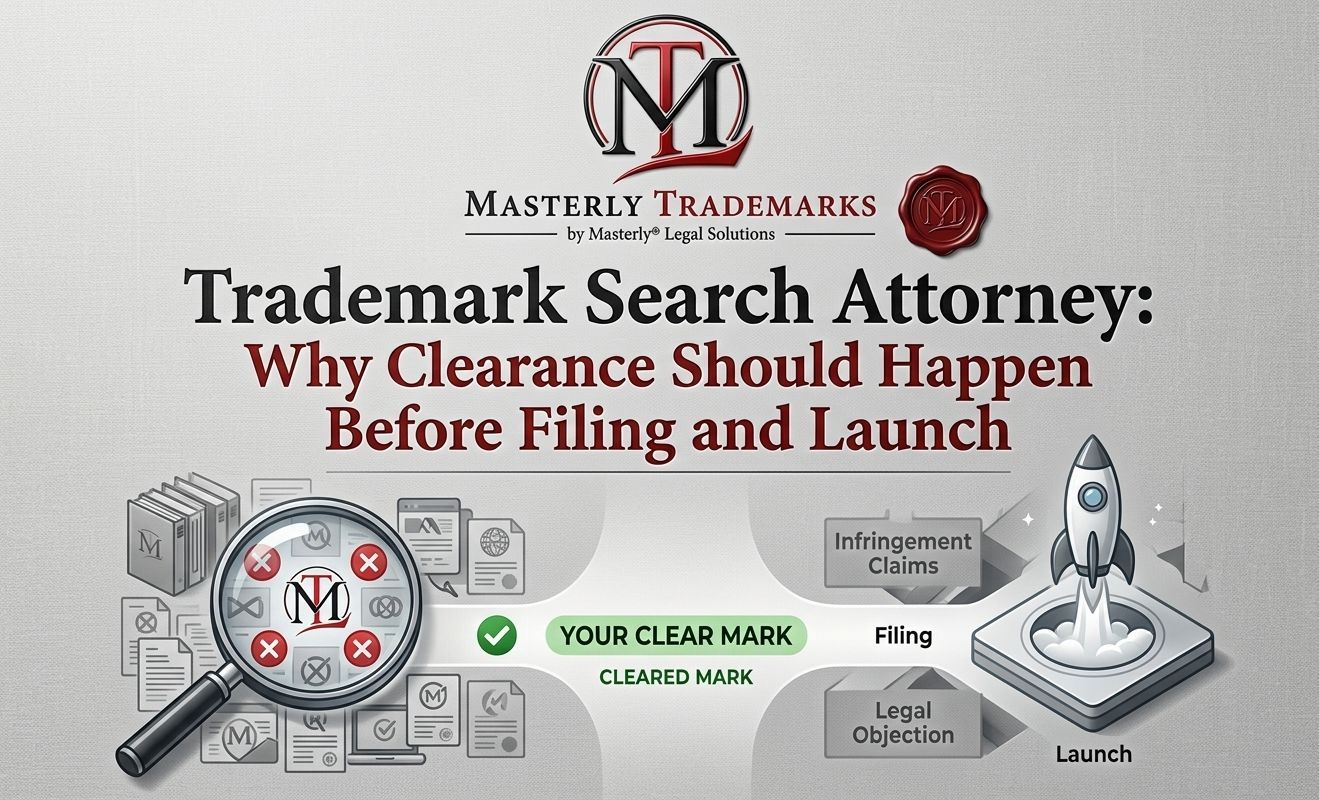
1. Conduct a Trademark Search Before Filing
A thorough trademark search is essential before filing a trademark application. Many businesses mistakenly file a trademark without checking if similar trademarks already exist, leading to rejections or trademark infringement lawsuits.
A proper search helps businesses:
- Avoid filing for an already registered mark.
- Reduce the risk of costly disputes in the future.
- Ensure their business name is unique and protectable.
The USPTO website offers a Trademark Electronic Search System (TESS) to check for existing marks. However, for better accuracy, businesses should consult a trademark attorney to conduct a more comprehensive search.
2. Choose the Right Filing Basis
When filing a trademark application, businesses must select a filing basis that best represents their intent to use the mark in commerce. The two main options include:
- Intent to Use (ITU) – If the mark is not yet used but will be in the future.
- Use in Commerce (UC) – If the mark is already in active use.
Selecting the wrong filing basis can result in an office action or require businesses to file a statement of use later, adding extra costs.
3. Prepare and Submit Your Trademark Application
Once the trademark search is complete and the filing basis is selected, businesses must submit a complete trademark application. The trademark office an agency under the Department of Commerce processes these filings.
The trademark application requires:
- Business name and owner details.
- Goods or services the mark will cover.
- Filing fee (varies based on filing method and classification).
- Specimen of use (proof that the mark is in use for applied categories).
Applications can be filed electronically via the USPTO website, which is faster and more reliable than paper applications.
4. Respond to Office Actions from the USPTO
After submission, an examining attorney at the USPTO will review the application. If there are issues, businesses will receive an office action requiring a response.
Common reasons for office actions include:
- Likelihood of Confusion – If the mark is too similar to an existing registered mark.
- Descriptive or Generic Terms – The examining attorney may reject applications for terms that are not distinctive.
- Incorrect Filing Basis – If the applicant’s intent to use is unclear.
If businesses fail to respond properly, they risk receiving a final refusal, delaying the registration process and increasing additional fees.

Common Mistakes to Avoid When Registering a Trademark
Even with proper preparation, businesses often make mistakes that delay or prevent successful trademark registration.
Top Mistakes to Avoid:
- Not Conducting a Trademark Search – Filing for a mark that is already in use.
- Incorrect Goods or Services Classification – The USPTO charges extra if businesses need to correct their goods and services description.
- Filing the Wrong Form – Using the incorrect trademark filing method results in delays and added costs.
- Ignoring the Trademark Official Gazette – Businesses must monitor their trademark application after it’s published to prevent opposition.
- Not Enforcing Trademark Rights – Trademark owners must actively monitor for trademark infringement after securing their registered mark.
By avoiding these mistakes, businesses save time and money while ensuring long-term trademark protection.
What Happens After Your Trademark is Approved?
Once approved, the USPTO issues a registration certificate, officially recognizing the registered mark. However, the work doesn’t stop there—businesses must maintain their trademark protection by enforcing their rights and preventing unauthorized use.
Key Post-Registration Steps:
- Monitor Your Trademark – Regularly check for trademark infringement on digital platforms.
- Renewal Filings – A federal registration must be renewed periodically to stay valid.
- Legal Action if Necessary – If infringement occurs, trademark owners can file a trademark trial to enforce their rights.
How the Trademark Center Helps You Register for a Trademark the Right Way
When businesses register for a trademark, they must follow the correct process to avoid unnecessary expenses and delays. The trademark center at the United States Patent and Trademark Office (USPTO) provides essential resources for businesses to protect their intellectual property and ensure their applications meet legal requirements.
One critical step in the process is receiving a notice of allowance, which confirms that a trademark application has passed the initial review. However, failing to submit the necessary documentation—such as proof of use or a sound mark specimen—can result in costly errors. The USPTO functions as an agency of the department of commerce, ensuring that businesses follow the correct filing basis and pay the appropriate base application fee.
For example, companies in entertainment services may need to submit additional details to prove they are using their mark in commerce. If businesses fail to comply, they may receive an official notice requiring further action. To streamline the process, applicants must provide contact information accurately to receive important updates, ensuring their trademark is registered without delays.
Additionally, businesses should be aware that official USPTO documents feature the U.S. flag, signifying their trademark rights under federal law. Working with professionals like Masterly Trademarks ensures that applications are completed correctly, helping businesses avoid mistakes and successfully secure their intellectual property.
Avoiding Errors in Trademark Filing to Secure Your Brand
A successful trademark filing requires attention to detail and a thorough understanding of the trademark office process. Many businesses rush their trademark application, only to face costly delays due to errors, incorrect classifications, or missing information. Ensuring that all details are accurate before submission can prevent unnecessary setbacks.
The trademark center at the USPTO provides guidelines for businesses to follow when preparing their trademark filing. This includes selecting the appropriate filing fee, ensuring the correct description of goods or services, and meeting all submission deadlines. Whether filing for a word mark, sound mark, or logo, businesses must adhere to federal requirements to secure their trademark rights.
To avoid costly mistakes, businesses should work with trademark professionals who understand the complexities of trademark filing. At Masterly Trademarks, we help businesses navigate the application process, ensuring their trademark filing is accurate and compliant with USPTO regulations.
Understanding Federal and Foreign Registration for Trademark Owners
For businesses looking to protect their brand, securing a federal registration with the United States Patent and Trademark Office (USPTO) is a crucial step. A federal registration grants exclusive rights to trademark owners, allowing them to prevent unauthorized use of their mark across the country. This level of protection is essential for businesses operating across state lines or in multiple industries.
In addition to federal registration, businesses expanding globally should consider foreign registration to secure their trademarks in international markets. Many companies assume that a United States Patent registration protects them worldwide, but trademark rights are generally limited to the country where they are registered. Filing for foreign registration ensures that businesses maintain control over their brand name, logo, or sound mark in other jurisdictions.
By working with experts, businesses can navigate both federal registration and foreign registration processes smoothly. At Masterly Trademarks, we help trademark owners file correctly, ensuring compliance with United States Patent regulations while securing international protection for long-term brand security.
How Do You Register a Trademark? A Step-by-Step Guide
Many business owners ask, "How do you register a trademark?" The process involves filing a trademark application with the trademark office USPTO, ensuring that your mark is legally protected for your goods or services in commerce. However, mistakes in the filing process can lead to costly delays or rejections.
To register a trademark, follow these key steps:
- Conduct a Trademark Search – Ensure no similar trademarks exist that could cause conflicts.
- Choose the Correct Classification – Properly categorize your goods or services to meet USPTO standards.
- File the Trademark Application – Submit the necessary forms and pay the appropriate filing fee.
- Respond to Office Actions – If the examining attorney raises issues, you must address them promptly.
- Obtain a Registration Certificate – Once approved, your mark will be officially registered, granting legal protection.
At Masterly Trademarks, we help businesses navigate the complexities of trademark registration, ensuring they register a brand correctly and efficiently. If you're wondering "How do you register a trademark?", our experts are here to guide you through every step.
Navigating the Trademark Office and Trademark Center for a Successful Trademark Application
Filing a trademark application correctly is crucial for businesses looking to secure exclusive rights to their mark. The trademark office at the United States Patent and Trademark Office (USPTO) is responsible for processing applications, reviewing submissions, and granting federal trademark rights. Many businesses make costly mistakes by failing to follow the correct procedures, leading to rejected applications or unnecessary delays.
The trademark center provides essential resources for applicants, offering guidance on filing procedures, classification of goods or services, and compliance with trademark office regulations. Before submitting an application, businesses must ensure they select the appropriate filing fee, which varies based on the filing method and the number of trademark classes. Errors in the trademark application can result in additional costs, requiring businesses to submit corrections or respond to office actions.
By utilizing the tools provided by the trademark office and the trademark center, businesses can streamline their trademark application process. Whether filing electronically or through traditional methods, working with experts like Masterly Trademarks helps ensure accuracy, preventing costly mistakes and delays.
Federal and Foreign Registration: Expanding Trademark Protection for Businesses
Securing a federal registration with the United States Patent and Trademark Office (USPTO) is a crucial step for businesses looking to protect their brand nationwide. A federal registration grants exclusive rights to trademark owners, ensuring that no one else can legally use the same or a confusingly similar mark for related goods or services. This protection extends across state lines, preventing competitors from benefiting from an established brand's reputation.
For businesses planning to expand internationally, foreign registration is just as important. A federal registration only protects a mark within the United States, meaning companies operating in multiple countries must seek foreign registration in those regions. Many countries follow a "first-to-file" rule, which means that if a business does not file early, another party could legally claim the trademark rights in that jurisdiction.
By securing both federal registration and foreign registration, businesses can safeguard their trademarks from infringement both domestically and internationally. At Masterly Trademarks, we assist companies in navigating the complexities of federal registration and obtaining foreign registration to ensure their brand remains protected in every market they enter.
How Goods or Services Classification Affects Trademark Registration
When businesses register a trademark, they must correctly classify their goods or services to ensure proper protection. The United States Patent and Trademark Office (USPTO) requires applicants to specify the exact goods or services their mark will cover. Filing under the wrong classification can lead to an office action or rejection, delaying the trademark registration process.
An examining attorney at the USPTO reviews each trademark application to ensure that the goods or services listed match the intended commercial use. If the description is too broad or does not align with USPTO standards, the examining attorney may issue a refusal, requiring applicants to modify their submission. This can lead to additional filing fees and extended processing times.
To avoid these issues, businesses should conduct a trademark search and consult with trademark professionals to select the appropriate classification for their goods or services. At Masterly Trademarks, we help applicants navigate the classification process, ensuring that their trademark application meets all USPTO requirements.
Understanding the Trademark Application Process to Avoid Costly Mistakes
The application process for registering a trademark involves multiple steps that require careful attention to detail. Filing a trademark application with the United States Patent and Trademark Office (USPTO) is more than just submitting a request—it requires selecting the correct goods or services, choosing the appropriate filing basis, and ensuring compliance with legal requirements.
During the application process, an examining attorney at the USPTO reviews the submission to determine if it meets all legal standards. If errors are found, applicants may receive an office action requiring corrections or clarifications. Businesses that fail to properly navigate the application process risk delays, additional filing fees, or even rejection.
To increase the chances of success, businesses should seek professional guidance before starting the application process. At Masterly Trademarks, we ensure that all aspects of the trademark application are handled correctly, helping businesses avoid common mistakes and secure their registered mark efficiently.
Paper Applications vs. Electronic Filing: Choosing the Best Method for Trademark Registration
When filing a trademark application with the United States Patent and Trademark Office (USPTO), businesses can choose between paper applications and electronic filing. While paper applications were once the standard, the USPTO website now encourages electronic submissions due to their efficiency, cost savings, and faster processing times.
Filing a trademark using paper applications typically involves higher filing fees, longer processing times, and an increased risk of errors. The application process requires businesses to manually fill out forms, submit physical copies, and mail them to the trademark office, leading to potential delays. Additionally, responding to an examining attorney’s office action through paper applications takes significantly longer compared to electronic responses.
To avoid unnecessary expenses and delays, businesses should consider filing electronically. At Masterly Trademarks, we guide applicants through the online trademark application process, ensuring accuracy, compliance, and quicker approval times compared to traditional paper applications.
Why Goods or Services Classification is Crucial in Trademark Registration
Properly classifying goods or services is a critical step when filing a trademark application with the United States Patent and Trademark Office (USPTO). Businesses must accurately describe the goods or services their mark will cover to ensure full legal protection. Incorrect classification can lead to delays, office actions, or even rejection by the examining attorney assigned to the case.
An examining attorney carefully reviews the trademark application to determine whether the goods or services are properly categorized. If the description is too vague, overly broad, or does not comply with USPTO standards, the examining attorney may issue an objection, requiring applicants to clarify or modify their submission.
Because misclassification can result in additional filing fees and legal complications, businesses should conduct thorough research before filing. At Masterly Trademarks, we assist companies in selecting the correct goods or services classification to ensure a smooth trademark registration process, reducing the risk of costly delays and refusals.
How to File for Trademark Registration the Right Way
Securing a trademark registration is essential for businesses looking to protect their mark and brand identity. The registration process involves multiple steps, from conducting a trademark search to properly classifying the goods or services associated with the mark. Errors in the process can lead to delays, additional filing fees, or outright rejection from the United States Patent and Trademark Office (USPTO).
To successfully file for a trademark registration, businesses must:
- Conduct a thorough trademark search to avoid conflicts.
- Choose the correct filing basis (use in commerce or intent to use).
- Accurately describe the goods or services associated with the mark.
- Submit the application electronically to the trademark office to avoid delays caused by paper applications.
- Respond to any office actions issued by an examining attorney.
At Masterly Trademarks, we help businesses file for trademark registration efficiently, ensuring accuracy and compliance with USPTO guidelines. By working with experts, businesses can file correctly the first time, avoiding unnecessary setbacks and protecting their brand from potential trademark infringement.
How to Register and Submit a Trademark Application Without Costly Mistakes
For businesses looking to register a mark, navigating the United States Patent and Trademark Office (USPTO) can be a complex process. A trademark registration provides exclusive rights to a mark, preventing unauthorized use and strengthening brand identity. However, errors in the application process can result in costly delays, additional filing fees, or outright rejection.
To properly submit a trademark application, businesses must ensure the accuracy of their mark description, classification of goods or services, and compliance with USPTO guidelines. The process requires:
- Conducting a thorough trademark search before applying.
- Selecting the correct filing basis (use in commerce or intent to use).
- Working with a trademark attorney to avoid errors that lead to refusals.
- Using the USPTO website to submit applications electronically for faster processing.
- Responding promptly to any office actions issued by an examining attorney.
Unlike a patent, which protects inventions, a trademark registration safeguards brand identity by securing exclusive rights to a mark. At Masterly Trademarks, our experienced attorneys assist businesses with every step of the process, ensuring they register their trademarks correctly and submit complete applications to avoid unnecessary setbacks.
Understanding the Trademark Office (USPTO) and the Registration Process
The Trademark Office USPTO is responsible for overseeing the trademark registration process and ensuring that businesses secure exclusive rights to their mark. Filing a trademark application with the USPTO requires careful attention to detail, as any errors can lead to delays, refusals, or additional filing fees.
Once an application is submitted, the USPTO issues a notice to confirm receipt. The application is then reviewed by an examining attorney, who determines whether the mark meets all legal requirements. If there are issues, the business will receive an office action notice, requiring a response to continue the registration process.
For example, if a company files a trademark application for a generic or descriptive mark, the examining attorney may issue a final refusal unless additional proof of distinctiveness is provided. A proper statement of use, supported by real-world evidence, strengthens an application’s chances of approval.
By working with experienced professionals, businesses can avoid common mistakes when dealing with the USPTO. At Masterly Trademarks, we help applicants navigate the Trademark Office USPTO, respond to notices, and ensure a smooth trademark registration process from start to finish.
Navigating the Trademark Office and Understanding Filing Fees
Registering a trademark with the Trademark Office USPTO is a crucial step in securing exclusive rights to a mark. However, businesses must be aware of the required filing fee, which varies depending on the number of trademark classes and the chosen filing method. Filing with the trademark office ensures that a brand’s goods or services receive legal protection, but mistakes in the process can lead to costly delays.
The trademark office reviews each trademark application, and an examining attorney determines whether the mark meets legal standards. If an application is incomplete or improperly filed, additional filing fees may be required to make corrections. Businesses can file electronically through the USPTO website to streamline the process and reduce costs compared to paper applications.
Since filing fees are non-refundable, ensuring accuracy in the trademark application is essential. At Masterly Trademarks, we help businesses navigate the trademark office, select the correct classifications, and avoid unnecessary expenses. Working with professionals can save time and money, ensuring your mark is properly protected from the start.
Protecting Your Trademark in Commerce with the Right Services
A trademark owner must ensure their mark is properly registered and enforced to maintain exclusive rights in commerce. Without proper protection, businesses risk unauthorized use, dilution, or trademark infringement that can harm their brand reputation.
Filing the necessary forms with the trademark office USPTO is a crucial step in securing ownership rights. Businesses must accurately classify their goods or services, ensuring that their mark is protected within the appropriate industries. Additionally, monitoring trademarks after registration helps prevent unauthorized use in commerce, safeguarding the brand's identity.
At Masterly Trademarks, we offer comprehensive services to help businesses secure and enforce their trademarks. Whether you need assistance with filing, responding to an office action, or enforcing your rights, our experts are here to guide you through the process.
How to Register a Brand and Secure Your Trademark Rights
For businesses looking to establish a strong market presence, it's essential to register a brand through proper trademark registration. A registered trademark provides legal protection, ensuring that competitors cannot misuse or imitate your mark in commerce.
When you register a brand, you must submit a trademark application to the trademark office USPTO, accurately describing your goods or services. The process includes selecting the appropriate classification, paying the required filing fee, and responding to any office actions from the examining attorney. Filing errors can lead to delays, additional costs, or even rejection.
At Masterly Trademarks, we simplify the process to register a brand, ensuring your mark is legally protected. Our experts assist with conducting a trademark search, completing the necessary forms, and securing your registration certificate so your brand remains safeguarded in the marketplace.
Trademark Registration Services: Ensuring Proper Filing for Trademark Owners
Securing a trademark requires more than just filing an application—it involves understanding legal requirements, selecting the right classification for goods or services, and ensuring all necessary forms are submitted correctly. Many businesses make costly mistakes by failing to complete the process properly, leading to delays or refusals from the trademark office USPTO.
A professional trademark registration service helps owners navigate the complexities of the application process. Trademark owners must file the correct forms, pay the appropriate filing fee, and submit all necessary documentation to receive a registration certificate. Incomplete applications or errors in the classification of goods or services can result in office actions or additional filing fees.
At Masterly Trademarks, we provide expert services to ensure that businesses correctly submit their trademark applications. Our team assists owners in preparing the right forms, meeting all filing requirements, and securing strong legal protection for their mark. With professional guidance, businesses can avoid unnecessary delays and protect their brand effectively.
Why You Need a Professional Trademark Registration Service
Filing for a trademark may seem straightforward, but without expert guidance, businesses risk making costly mistakes that can delay or even jeopardize their trademark registration. A trademark registration service ensures that every step of the process is handled correctly, from conducting a trademark search to responding to office actions issued by the trademark office USPTO.
A professional trademark registration service helps businesses:
- Accurately classify their goods or services to avoid rejections.
- Prepare and file applications with the correct filing fee to prevent unnecessary expenses.
- Monitor and enforce trademark rights after securing a registration certificate.
At Masterly Trademarks, our trademark registration service simplifies the filing process, ensuring businesses receive the legal protection they need. With expert assistance, you can register your mark with confidence and avoid common pitfalls that could delay your approval.
Securing a Registration Certificate and Protecting Your Trademark Ownership
Once a trademark application is successfully processed and approved, the Trademark Office USPTO issues a registration certificate, officially granting ownership rights to the trademark owner. This certificate serves as legal proof that the mark is registered and provides exclusive rights to use, license, or enforce the trademark in commerce.
During the application process, businesses must submit the correct forms, accurately classify their goods or services, and ensure their intent to use the mark aligns with USPTO requirements. If an applicant files under an intent to use basis, they must later submit a statement of use before receiving their registration certificate.
Trademark owners must also monitor and enforce their rights after receiving their certificate to prevent infringement. At Masterly Trademarks, we assist businesses in filing, maintaining, and enforcing their trademarks. If you have questions about securing a registration certificate or protecting your ownership rights, contact us today.
Provide contact information to ensure you receive updates about your trademark status. Contact us at (972) 236-5051 to speak with our experts about trademark registration and enforcement services tailored to your business.
Masterly Trademarks: Your Partner in Trademark Registration
Filing a trademark application correctly is the key to securing exclusive rights and avoiding unnecessary expenses. At Masterly Trademarks, we help businesses register a trademark the right way—ensuring accuracy, compliance, and long-term trademark protection.
Our experts handle the trademark filing, guide businesses through the registration process, and respond to office actions efficiently. Whether you need assistance with foreign registration, monitoring for trademark infringement, or ensuring your trademark application meets USPTO standards, we’re here to help.
Contact us at (972) 236-5051 for a free consultation and let us assist you in registering your mark the right way.
You might also like