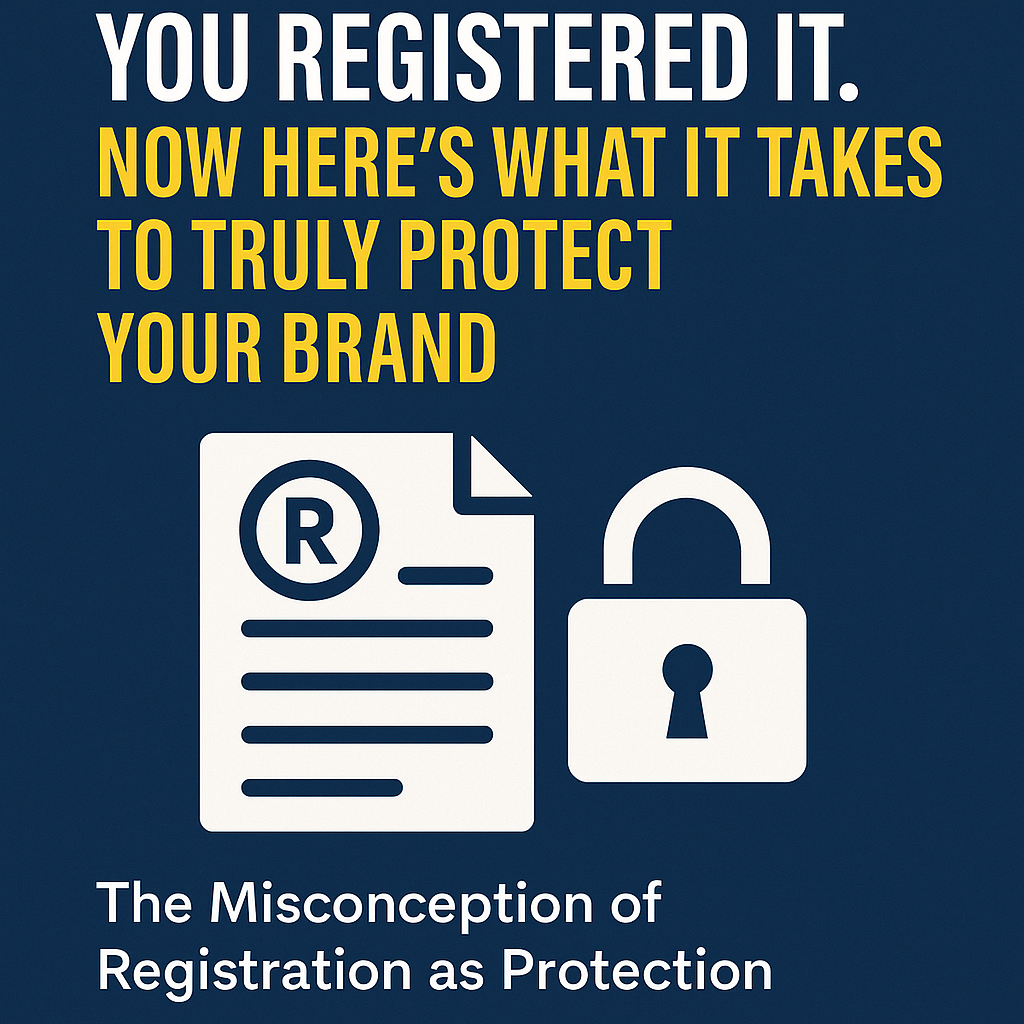
You Registered It. Now Here’s What It Takes to Truly Protect Your Brand
The Misconception of Registration as Protection
Many entrepreneurs and business owners assume that once they secure federal trademark registration, their brand is fully protected. Unfortunately, that assumption can lead to a false sense of security. Registering your trademark is only the beginning—not the end—of the brand protection journey.
While the trademark office grants registration, it does not monitor for unauthorized use or alert you to potential threats. That responsibility falls on you or the legal services you retain. At Masterly Trademarks, we emphasize that the true power of a registered trademark comes from proactive monitoring and enforcement.
Why Monitoring Matters Post-Registration
Once your brand is registered, it becomes visible to competitors, imitators, and opportunists. Without trademark monitoring, you leave your intellectual property vulnerable to infringement, dilution, and confusion in the marketplace.
A reliable trademark monitoring service offers:
- Early detection of similar marks that can cause consumer confusion.
- Timely alerts about potential trademark infringements.
- Protection from trademark dilution by identifying unauthorized use.
- Ongoing oversight across search engines, social media platforms, and domain names
This ongoing vigilance is essential, especially for businesses with large portfolios or in competitive industries.
Understand the Scope of Trademark Infringement
Trademark infringement goes beyond blatant copying. It includes any confusingly similar logos, business names, or design marks that could mislead consumers. Failing to identify these threats in time could result in lost revenue, damaged reputation, and costly legal battles.
Common infringement risks include:
- Slight variations in spelling or style of your brand name.
- Copycat logos and design marks.
- Use of your brand name in domain names or social media.
- Competitors using your mark in search engine ads or content.
Monitoring Is Not Optional—It's Strategic
You need to monitor trademark applications submitted by others. New filings are public and can reveal potential conflicts early. If you don't file oppositions or take legal action promptly, you risk forfeiting your rights.
At Masterly Trademarks, our monitoring services include:
- Daily scans of global trademark databases.
- Watch services tailored to specific industries.
- Monthly reports that summarize actionable insights.
- Alerts for similar marks or potential threats.
Our approach ensures your brand is never caught off guard.
The Role of Trademark Monitoring Services
Our trademark monitoring service bridges the gap between registration and active brand protection. We provide a unified platform that delivers reliable results and minimizes false positives, giving you tailored insights into potential threats.
Benefits include:
- Protection from unauthorized use.
- Efficient response to infringement.
- Global coverage to monitor international activity.
- Tailored filters to exclude irrelevant data and highlight potential risks.
This strategic oversight helps small businesses and large enterprises alike maintain a competitive edge.
Identifying Potential Risks Before They Escalate
Early intervention is key to protecting your brand. Our trademark watch services identify potential trademark infringements and give you the opportunity to act quickly. Whether it's a similar mark in a different state or an international registration attempt, we keep you informed.
We help clients:
- Identify potential risks before they affect their brand.
- Track competitor trademark activity.
- Prevent unauthorized filings that could confuse consumers.
Legal Support and Enforcement
Trademark protection doesn’t end at detection. You need legal counsel that can interpret data, evaluate threats, and take action. At Masterly Trademarks, our legal services include:
- Drafting cease-and-desist letters.
- Filing oppositions and cancellations.
- Handling litigation when necessary.
This ensures you have the legal backing to defend your rights.
Monitoring Beyond Trademarks: Logos, Domains, and Social Media
Brand protect strategies must extend beyond traditional trademarks. That includes:
- Monitoring domain names that incorporate or mimic your brand.
- Tracking unauthorized brand mentions on social media platforms.
- Watching logo usage to catch design mark infringement.
Our system helps detect and respond to unauthorized use across all channels where your brand might appear.
Avoiding Trademark Dilution and Consumer Confusion
Failure to monitor can result in dilution, where your brand loses its unique identity. Worse, consumers may associate your brand with inferior or unrelated products. Trademark dilution and consumer confusion weaken brand trust—sometimes permanently.
Protecting your brand means protecting how people perceive it. Ongoing vigilance ensures your audience receives consistent, trustworthy signals.
Masterly Trademarks: A Partner in Brand Protection
At Masterly Trademarks, we don’t just register marks—we actively protect them. Our services combine:
- Robust monitoring technology.
- Legal enforcement capabilities.
- Tailored reporting based on your industry and needs.
- Strategic guidance for long-term brand success.
We offer scalable protection plans designed for businesses of all sizes, whether you're building a startup or managing a global brand portfolio.
Stop Reacting. Start Protecting.
Waiting until a problem arises puts your brand at risk. Instead, equip yourself with proactive protection strategies that evolve with your business.
Let Masterly Trademarks help you:
- Respond quickly to potential issues.
- Stay ahead of competitors.
- Safeguard your brand's future.
Every brand deserves protection that goes beyond a registration certificate.
Partnering with Law Firms to Protect Brands Through Timely Action and Strategic Enforcement
Registering your mark is only the first layer of brand security. To truly protect brands, companies must go beyond paperwork and take timely action against infringing uses. That’s where experienced law firms like Masterly Trademarks come in. We help your company navigate potential infringements with proactive strategies that include monitoring trademark filings, issuing opposition filings when necessary, and guiding you through enforcement actions. Don’t wait for damage to your brand to occur—request a free demo of our monitoring services to see how we spot potential threats before they escalate. With our legal insight and actionable alerts, you can respond swiftly to infringing activities and defend your trademark with confidence.
Why Masterly Trademarks Offers the Best Trademark Monitoring Service for Long-Term Brand Security
Choosing the right partner to safeguard your brand isn’t just about tools—it’s about trust, experience, and proactive strategy. Masterly Trademarks is widely recognized by clients across industries as the best trademark monitoring service because we go far beyond basic alerts. Our system offers tailored insights, daily scans for potential infringements, and actionable reports—ensuring you’re never blindsided by similar marks or unauthorized use. Backed by legal expertise and a commitment to timely action, our monitoring services give your company a competitive edge and true peace of mind. If you’re serious about protecting your trademark, the right service makes all the difference.
Discover the Best Trademark Monitoring Services to Defend Your Brand from Every Angle
Not all monitoring platforms are created equal. The best trademark monitoring services do more than notify—they empower you to act. At Masterly Trademarks, our approach combines cutting-edge detection technology with legal oversight to deliver accurate, timely, and strategic alerts. We monitor global databases, social media, domain names, and new trademark applications to catch potential infringements before they escalate. Whether you're managing a single mark or a complex portfolio, our services are built to identify threats, streamline opposition filings, and protect your brand’s reputation across industries. Experience the difference that comprehensive coverage and legal intelligence can make.
Smart Brand Protection Strategies That Go Beyond Registration
Securing your trademark is important, but maintaining your brand's strength requires ongoing effort. Effective brand protection strategies combine vigilant trademark monitoring, legal enforcement, and proactive risk assessment. At Masterly Trademarks, we help businesses develop comprehensive plans tailored to their industry, scope, and exposure. From watching for potential infringements to filing timely opposition actions, our strategies ensure your company can respond quickly and effectively to threats. With our guidance, you gain the tools and legal backing to not only register your brand but to truly protect it from misuse and dilution over time.
Why Working with a Brand Protection Lawyer Is Essential After Registration
Once your trademark is registered, your next step should be aligning with a trusted brand protection lawyer who can help you enforce it. At Masterly Trademarks, our legal team doesn't just understand trademark law—we specialize in preventing and resolving infringement issues. A dedicated brand protection lawyer can guide you through monitoring reports, opposition filings, and cease-and-desist strategies while ensuring every move supports your business goals. From evaluating confusingly similar marks to defending against unauthorized use, having legal counsel on your side is critical to maintaining your brand’s value and integrity in a competitive marketplace.
Want to Truly Protect Your Brand? Talk to Us.
Registering your trademark was a strong first step. But brand protect doesn’t stop there. Masterly Trademarks delivers more than registration—we deliver confidence, control, and comprehensive coverage.
Whether you're monitoring a few marks or managing a large trademark portfolio, our experts offer customized solutions, industry insights, and real-time monitoring tools. Get support from a team that understands how to identify potential risks, interpret trademark activity, and take swift action.
Contact us at (972) 236-5051 to book a free consultation. Our team is ready to answer your questions and guide you through the protection strategies your brand truly needs. Don't leave your brand vulnerable—reach out today and secure the strength behind your registration.
You might also like