Amazon Brand Registry: What Trademark Owners Should Have in Place Before They Apply
If you own a product brand that sells on Amazon, you have probably heard that Amazon Brand Registry is essential for protecting your listings. What you may not have heard is how many applications stall because the brand owner skipped foundational steps before hitting submit.
This article is for brand owners, in-house counsel, and ecommerce leads who want to get Brand Registry right the first time and avoid costly delays.
Start here: Is Amazon Brand Registry worth it for your brand?
Amazon Brand Registry launched in 2017 to protect intellectual property and give brand owners real authority over their product detail pages. Enrollment is completely free with no fees, which makes it one of the most accessible marketplace brand protection tools available.
So what does it actually do? In plain terms, it is a free program that ties your registered trademark to your Amazon presence. Once enrolled, you gain exclusive tools to control product listings, report infringement, and unlock optimized content features that drive customer engagement and increase sales.
The business outcomes are concrete. A+ Content can increase sales by up to 20% or more. Brand Stores can boost purchase frequency by 53.9%. New sellers may even receive a $200 Amazon Vine credit from Vine Voices for early reviews, and brands can earn up to 10% back on their first $50,000 in branded sales.
But here is the critical distinction: Brand Registry is not trademark registration. It does not grant legal rights. It layers Amazon-specific protections on top of a trademark you already hold (or have applied for) through a patent and trademark office like the USPTO. Both pieces need to work together.
This article covers what you need in place before you apply:
- Trademark status and trademark details
- Ownership alignment
- Packaging and permanently affixed brand names
- Catalog and operations readiness
- Enforcement planning
- When to connect with Masterly Trademarks

How Amazon Brand Registry actually protects (and fails to protect) your brand
Set realistic expectations. Brand Registry improves marketplace brand protection on Amazon, but it does not automatically stop every infringer or counterfeiter.
Here is what it gives you:
- Report a Violation tool. The Report a Violation tool allows brands to submit IP infringement complaints directly through a dedicated dashboard. You can search by ASIN, image, or seller and submit guided reports for trademark, copyright, or patent issues.
- Automated protections. Amazon uses machine learning and data from your Brand Registry enrollment to identify and block suspected infringing listings before you even see them.
- Project Zero. This program allows immediate removal of counterfeit listings through self-service tools, available to brands meeting accuracy thresholds.
- Transparency. Amazon's Transparency program verified over 2.5 billion product units by 2024, using unique serial codes to confirm genuine products before they ship.
- Counterfeit Crimes Unit. Beyond tools, the Counterfeit Crimes Unit collaborates with law enforcement against counterfeiters operating at scale.
What Brand Registry cannot do is replace your legal rights off Amazon. Only a registered trademark gives you access to court enforcement, customs actions, and broader domain or litigation protection across the marketplace and beyond.
Consider this scenario: a private-label seller with a USPTO-registered trademark enrolls in Brand Registry, spots an unauthorized seller copying their images and descriptions, and files a report that results in swift removal. A seller without a trademark attempting the same faces delays, weaker recourse, and no tools to secure their listings. The difference is the underlying intellectual property foundation.
Trademark basics you need in place before Amazon Brand Registry
Brand Registry is built on top of a trademark from a government trademark office. Your trademark registration strategy must come first.
Amazon requires a registered or pending trademark for enrollment, and that trademark must be issued by an approved government office. For the U.S. market, that means the USPTO, where filing fees range from $250 to $350 per class.
Amazon typically accepts two types of marks:
- Word marks (standard character marks covering the brand name in plain text)
- Design marks that include words, letters, or numbers alongside a logo
The trademark name must match the brand registry application exactly. That means identical spelling, spacing, and punctuation between your trademark record, your product listings, and your packaging. Even small mismatches like an ampersand versus "and" can trigger rejection.
Timing matters. A trademark application filed through the USPTO can take six to twelve months or longer. Amazon's IP Accelerator helps brands with pending trademarks by connecting them with vetted law firms to begin accessing some Brand Registry benefits earlier, though certain enforcement tools may still require full registration.
Before starting your brand registry application, confirm these trademark details:
- Mark is active (not expired or abandoned) at the correct trademark office
- Registration covers the product categories you sell on Amazon
- Owner name on the trademark matches the entity applying
- Goods description aligns with what you actually sell
Confirming the right trademark owner before you apply
Only the legal trademark owner can enroll a new brand in Amazon Brand Registry. Ownership mismatches are one of the most common sources of delay.
Common structures that cause problems: a founder personally owns the trademark but the business sells through an LLC, a parent company holds the mark while a subsidiary operates the Seller Central account, or international trademarks are held by a different entity than the one selling in the U.S.
Here is the specific risk. If your Seller Central account is under "XYZ Brands LLC" but the registered trademark owner is "John Doe" personally, Amazon will flag the discrepancy. During verification, Amazon sends a verification code to the public contact email on record at the relevant patent and trademark office. If that email is outdated or belongs to the wrong person, verification fails.
Clean up ownership before applying. If you need to assign or transfer a trademark into the correct company, do it at the trademark office first. Masterly Trademarks offers Trademark Assignment and Ownership Transfer Services that can help resolve these issues efficiently.
Ownership clarity also matters beyond Brand Registry. Investors, licensing deals, and potential brand sales all depend on having a clean trademark record. Treat your brand registry enrollment as part of a long-term brand enforcement and exit strategy.
Brand identity and packaging requirements for Amazon Brand Registry
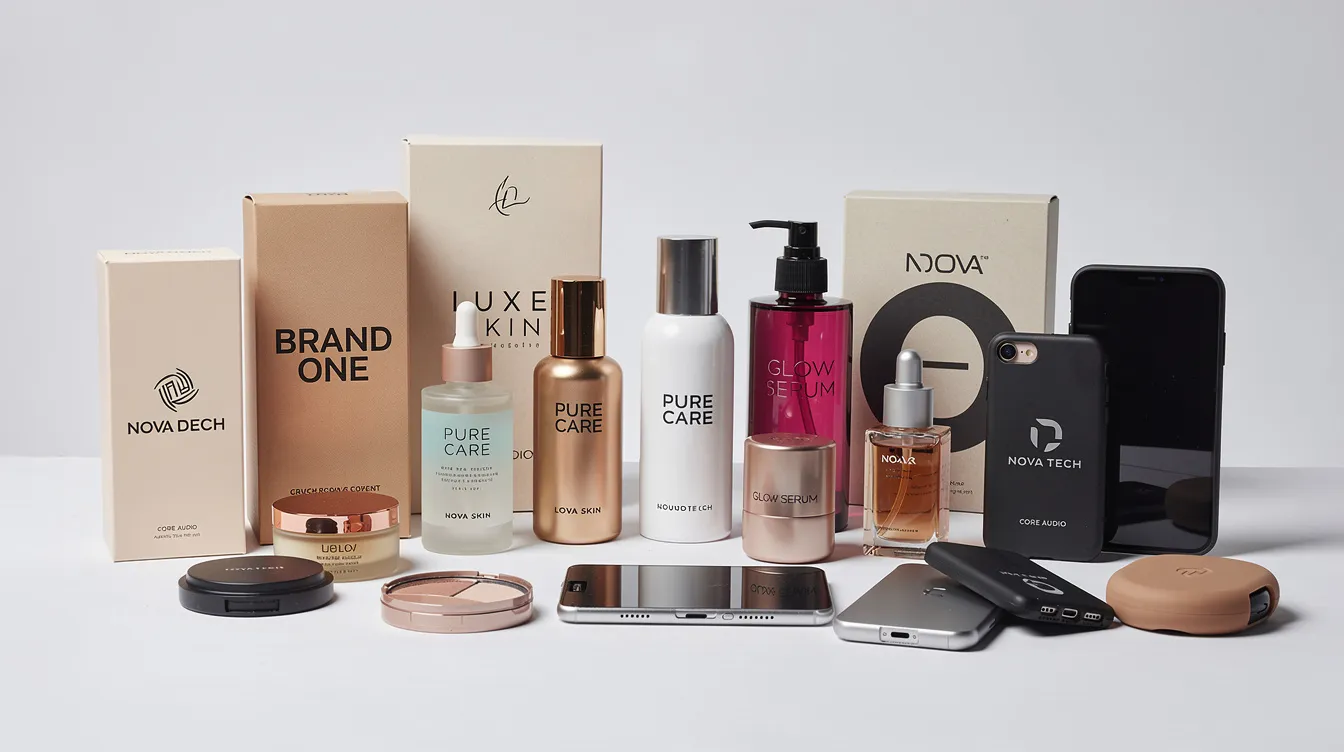
Amazon needs to see your brand name permanently affixed to your products or packaging. This is a basic requirement that catches many applicants off guard.
What counts as permanently affixed:
- Printing directly on packaging or product surfaces
- Laser etching or engraving
- Woven or sewn-in labels (apparel)
- Molded marks on plastic or metal components
What Amazon typically rejects: removable stickers, hang-tags, stamps, or loosely attached labels that can be peeled off or swapped. You need to ensure brand packaging remains compliant for eligibility on an ongoing basis.
The brand name on the product or packaging must match both the trademark record and the name used in your product listings. Using abbreviations, adding extra words, or changing punctuation creates inconsistencies that lead to rejection.
Prepare clear, unaltered real photographs showing your branded product and packaging from multiple angles. Digital mockups do not count. The logo and brand name should be legible and obviously permanent in every image you upload.

Catalog, content, and operations readiness: optimize listings before and after Brand Registry
Many brands rush into Brand Registry for protection but miss the growth opportunity. The program unlocks powerful tools that let you optimize listings and control the customer experience.
Before you apply, prepare:
- Clean product listings. Accurate titles, bullet points, and descriptions with a consistent brand name across all SKUs and multiple products in your catalog.
- High-quality images. These support A+ Content, Brand Stores, and Sponsored Brands ads, which appear at the top of search results.
- Distribution information. Know where your goods are manufactured and distributed, since Amazon asks for this during enrollment.
After enrollment, you gain access to Brand Analytics, which provides insights into consumer behavior and demographic trends so you can refine your strategy. Amazon Live allows real-time product demonstrations, and Virtual Bundles encourage larger purchases on a single page. These tools all work together to increase amazon sales and customer engagement.
Align keyword research with your Brand Registry planning so you can optimize listings from launch rather than cleaning up later. When your optimized content wins on the detail page, unauthorized resellers cannot override your titles, images, or descriptions.

Planning your enforcement and marketplace brand protection strategy
Enrolling in Brand Registry is not enough. Brand enforcement requires a plan.
Decide in advance:
- Priority products. Which SKUs carry the highest margin, face the greatest counterfeiting risk, or sit in competitive product categories?
- Internal roles. Who inside the company will submit violation reports, manage user roles and permissions for team members, and monitor your brand presence? Larger brands often dedicate staff to manage Brand Registry presence full-time.
- Response speed. How quickly do you want to act on suspected infringement?
Documentation is essential. Keep records of authentic product listings, invoices from authorized manufacturers, and any prior enforcement history. Precise, consistent reports help Amazon's automated systems learn your brand and reduce future violations, making brand enforcement more efficient over time.
Maintaining content accuracy requires ongoing attention and updates, and ongoing management requires continuous monitoring of brand presence across the marketplace. Brand Registry is one piece of a wider protection plan that may also include watching for domain name abuse, monitoring non Amazon marketing channels, and coordinating with legal counsel when disputes escalate to litigation.
Step-by-step: What the Amazon Brand Registry application process looks like
Here is the typical enrollment flow:
- Sign in. Use existing Seller Central or Vendor Central credentials. If you are not selling yet, create a Brand Registry account.
- Enroll a new brand. Select the option in the brand registry portal and enter your brand name exactly as it appears in your trademark record.
- Enter trademark details. Provide the country, registration or application number, and mark type (word or image-based). List your product categories and distribution information.
- Upload images. Submit real photographs showing permanently affixed brand names on products or packaging from multiple angles.
- Verify ownership. Amazon sends a verification code to the public owner or attorney email on file at the patent and trademark office. Retrieve it and submit it through the portal.
- Wait for review. Many brands receive decisions within about seven to ten business days if all information is accurate. Delays occur when images, ownership, or trademark details do not match.
Once approved, you can connect additional international trademarks, assign roles, and begin using enforcement tools and programs like Project Zero and Transparency to secure your brand.
Avoiding common Brand Registry pitfalls before you hit submit
Most delays and denials trace back to preventable errors. Watch for these before submitting your brand registry application:
- Owner name mismatch. The entity on your trademark does not match the entity on your Amazon seller account.
- Expired or non-active marks. Check the health of your trademark registration before applying.
- Brand name inconsistencies. Different spelling, abbreviations, or extra words between your trademark, packaging, and listings.
- Non-permanent branding. Stickers or removable labels instead of permanently affixed brand names.
- Mockup images. Amazon requires real, unaltered product photos.
- Vulnerable trademarks. If your trademark application faces a descriptiveness refusal or likelihood-of-confusion challenge, Brand Registry access depends on the ongoing health of that application.
A pre-application readiness check where someone reviews your trademark records, Amazon catalog data, and packaging images side by side can save weeks. Consumers trust brands that present consistently, and Amazon's systems reward that consistency with faster approvals and stronger automated protections.
When to loop in Masterly Trademarks for Brand Registry readiness
Strategic trademark support before you apply prevents expensive rebranding, marketplace disruption, and lost amazon success. The goal is to align your trademark rights with Amazon Brand Registry from the start.
Contact Masterly Trademarks when you face:
- Uncertainty over who should own the mark or how to register a new brand
- Conflicting or outdated records at the USPTO or another trademark office
- Plans to transfer brand ownership between entities or individuals
- Concerns that current branding or packaging may not meet brand registry requirements
- Need for expertise in aligning trademark class coverage with the product categories you sell
Masterly Trademarks can help evaluate whether existing trademarks cover the right goods, coordinate trademark assignment and ownership transfer, and design a practical plan for marketplace brand protection that scales with your business.
Reach out by phone at (972) 236-5051 or visit the Masterly Trademarks website to discuss trademark registration and brand-protection strategy. Treat Brand Registry enrollment as part of a broader brand enforcement and growth strategy, not a one-off administrative task.

You might also like