Common Law Trademark: What Brand Owners Actually Have Before Federal Registration
Most businesses start using a brand name long before they think about registration. Here's what that actually gives you-and where it falls short.

Immediate Answer: What Is a Common Law Trademark?
A common law trademark refers to brand ownership rights that arise automatically from actual use of a mark in commerce-no government filing, no application fee, no waiting period. When your business first uses a brand name, logo, or slogan on goods or services offered to real customers, you gain common law trademark rights in that area.
The catch is geographic limitation. Common law protection extends only to the area where customers actually encounter and recognize your mark. A federally registered trademark, by contrast, can provide nationwide presumptive rights through federal registration.
Concrete example: a coffee shop first using the name "Harbor Roast" in Seattle in 2024 gains local common law rights immediately. That brand is protected around Seattle, but not in Portland, Denver, or Miami.
How Common Law Trademark Rights Arise From Actual Use
U.S. trademark law operates as a "first user" system. Rights generally belong to whoever first uses a particular mark in commerce for specific goods or services-not whoever files paperwork first. Trademark rights are acquired through use in commerce, not through registration or intent alone.
"Actual use" means genuine commercial activity: product labels, store signage, website sales to real customers, invoices dated in specific years. A DTC skincare brand shipping orders from California in 2023 is using its mark in commerce. A person who merely buys a domain, forms an LLC, or announces a product without sales has not established common law rights.
An unregistered mark must function as a source identifier. Customers need to associate it with your business specifically. A decorative phrase printed on a generic t-shirt, or a business name buried only in corporate paperwork, usually does not qualify.
The first user in a given area is the senior user and normally owns the common law rights there. These rights are recognized under state law and federal unfair competition principles, including Lanham Act §43(a), even without federal trademark registration.
What Can Be Protected: Common Law Trademarks and Distinctiveness
Not every word or design qualifies as a protectable common law trademark. The mark must be distinctive enough for customers to connect it with a single source.
Trademarkable elements include words ("Silver Anchor"), logos, slogans, trade dress, and sometimes colors or sounds-provided they identify one provider. The distinctiveness spectrum determines what gets protection:
- Fanciful (invented words like "Xerox") - strongest, immediately protectable
- Arbitrary (real words unrelated to the product, like "Apple" for computers) - strong
- Suggestive (hints at qualities, like "Blue Bicycle Cafe" for a restaurant) - protectable
- Descriptive (directly describes, like "Speedy Delivery") - requires proof of secondary meaning
- Generic ("Coffee Shop" for a café) - never protectable
In 2022, a restaurant calling itself "Blue Bicycle Cafe" holds a suggestive, protectable mark. "Coffee Shop" used for the same services is generic and earns zero common law trademark rights.
Descriptive marks can gain protection only after longstanding use, advertising, and customer recognition build secondary meaning. Using the ™ symbol with your brand name signals a claim to common law rights, even without federal registration. Common law marks cannot use the registered trademark symbol ®.
Geographic Limitation: How Far Do Common Law Rights Really Reach?
Common law rights are limited to the geographic area of use. Your "trading area" is defined by where customers live, where products ship, where services are advertised and purchased, and where real recognition exists.
Compare a local restaurant operating only in Denver in 2025 with a DTC e-commerce skincare brand shipping nationwide from day one. The restaurant's common law rights cover Denver and nearby suburbs. The e-commerce brand's rights may stretch across multiple states-but only where it can show actual customer penetration and recognition.
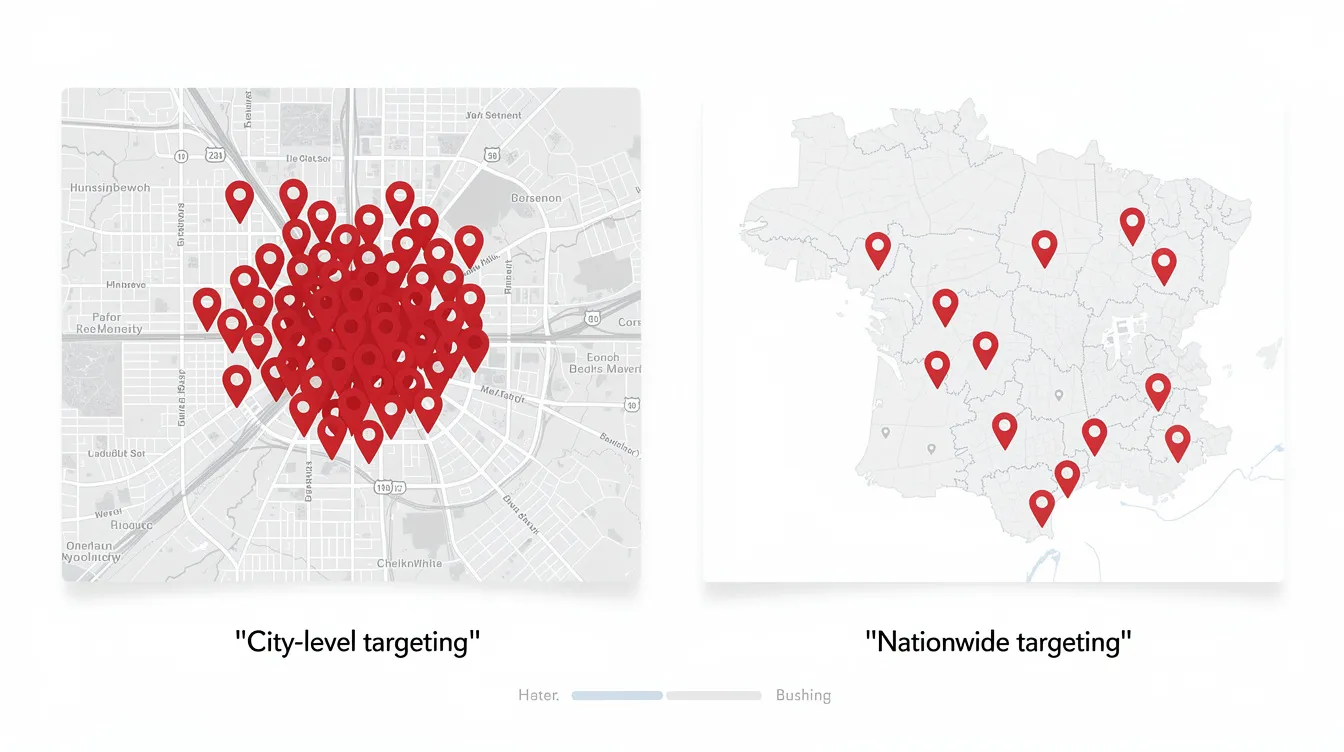
Two businesses can legally use the same name in different, non-overlapping regions without infringing each other's common law rights. This is rooted in the Tea Rose–Rectanus doctrine, which allows a good-faith remote user to build rights in their own territory.
Common law rights do not automatically extend to new cities or states. Real-world implications include:
- A brand starting in Florida in 2024 might be blocked from entering Oregon in 2027 if a first user already holds local rights there
- Federal registration can freeze a prior common law user into their existing geographic area
- Expansion conflicts may require rebranding, coexistence agreements, or territorial carve-outs
Common law protection is fragile for businesses planning to expand.
Common Law Trademark Infringement and the "First User" Advantage
Owners can sue for trademark infringement without federal registration. Both common law marks and federally registered trademarks can be enforced against confusingly similar uses.
Three elements must be proven for common law infringement: a valid protectable mark, prior unauthorized use by the defendant (establishing first user status), and likelihood of confusion among consumers. The burden of proof is heavier for common law trademarks in dispute cases-you must bring your own evidence since there's no registration certificate to lean on.
Common law trademarks require evidence of first use in the event of a legal dispute. Proof includes dated marketing materials, invoices, domain launch dates, social media archives, and local media coverage. For example, a boutique in Austin using "Southern Threads" since 2019 could challenge a regional chain that starts using the same name in Texas in 2025, provided the boutique shows overlapping customer recognition.
Courts assess likelihood of confusion using multi-factor tests such as Polaroid factors or Sleekcraft, examining:
- Similarity of the marks themselves
- Similarity of goods or services
- Overlap in marketing channels and customers
- Geographic overlap of the trading areas
- Strength of the prior mark
- Evidence of actual confusion
- The defendant's intent (including bad faith adoption)
Key Differences: Common Law Trademarks vs. Federal Registration
The business stakes are clear: common law rights offer limited protection tied to a local footprint, while a registered trademark provides nationwide protection across the U.S. through federal registration with the USPTO.
Key differences include:
- Scope: a common law trademark owner can only enforce rights locally. A registered mark grants presumptive nationwide rights.
- Visibility: common law trademarks are not listed in official public databases, leading to less public notice. Registered marks appear in a searchable database at the federal level.
- Evidentiary burden: a registered trademark grants a presumption of ownership and validity. Common law claims require proof of every element.
- Enforcement tools: common law trademarks cannot be recorded with U.S. Customs. Federally registered trademarks can be recorded for border protection against infringing use.
- Court access: federal registration simplifies access to federal court and statutory damages. Common law enforcement often requires more extensive proof of rights and harm.
- Symbols: ™ signals an unregistered mark; ® is reserved exclusively for a federally registered trademark.
Federal trademark registration does not erase earlier common law rights-a prior user retains rights in their territory. But registration shifts the practical balance of power as the registrant expands nationwide.
Evidence of Use: How to Document and Strengthen Common Law Rights
Without a federal registration certificate, a trademark owner must substantiate common law rights with real-world proof. Trademark owners must monitor for potentially infringing marks and keep organized records. Here's what to maintain:

- Dated advertising: Google Ads screenshots from 2023, print ads, flyers
- Sales receipts and invoices showing locations, dates, and customer details
- Website analytics documenting first online orders (e.g., 2022 launch data)
- Social media posts with timestamps
- Photos of signage, product packaging, and trade show booths
- Press mentions and local media coverage
Best practices for brand protection: use the mark consistently (same spelling, logo, colors), apply it clearly as a source identifier, and store all evidence chronologically in a dedicated brand use file. This makes later enforcement-or a federal registration application process-substantially easier.
Monitor periodically: search Google, social platforms, state business registries, and marketplace listings to spot potentially conflicting common law marks or other parties using a confusingly similar name.
When Are Common Law Rights Enough-and When to Move Toward Federal Registration?
Many businesses start with only common law rights. Common law trademark protection is often a low-cost option for small businesses that operate locally. Registered trademarks require formal registration with a government agency like the USPTO.
Relying on common law may be adequate for a single-location restaurant, a local home services provider, or a small arts business selling only at local markets through 2025. These businesses face limited expansion risk and benefit from the simplicity of use-based rights.
Federal trademark registration becomes strategically important when a business sells across state lines, operates as an e-commerce brand or SaaS product, plans multi-state franchising, or expects national distribution within two to three years. The USPTO charges a $350 fee for online trademark applications-a modest investment relative to the legal protections and several advantages registration provides.
Practical risks of relying solely on common law rights:
- Rebranding costs if you expand into a territory where someone else has prior use
- Lost goodwill and customer recognition built under a name you can no longer use
- Investor and partner concerns about unprotected brand ownership
- Difficulty stopping remote infringers or a later federal filer in foreign countries or other regions
Decision framework:
- If you sell in more than one state or plan to within 12–24 months, strongly consider federal registration
- If your revenue, customer base, or brand investment is growing, the cost of registration is far less than the cost of rebranding
- If your mark is distinctive and central to your business identity, protect it at the national level
If your brand is outgrowing its local roots, now is the time to discuss whether your unregistered mark should move toward federal trademark protection.
Common Law Trademarks in Clearance Searches and Brand Strategy
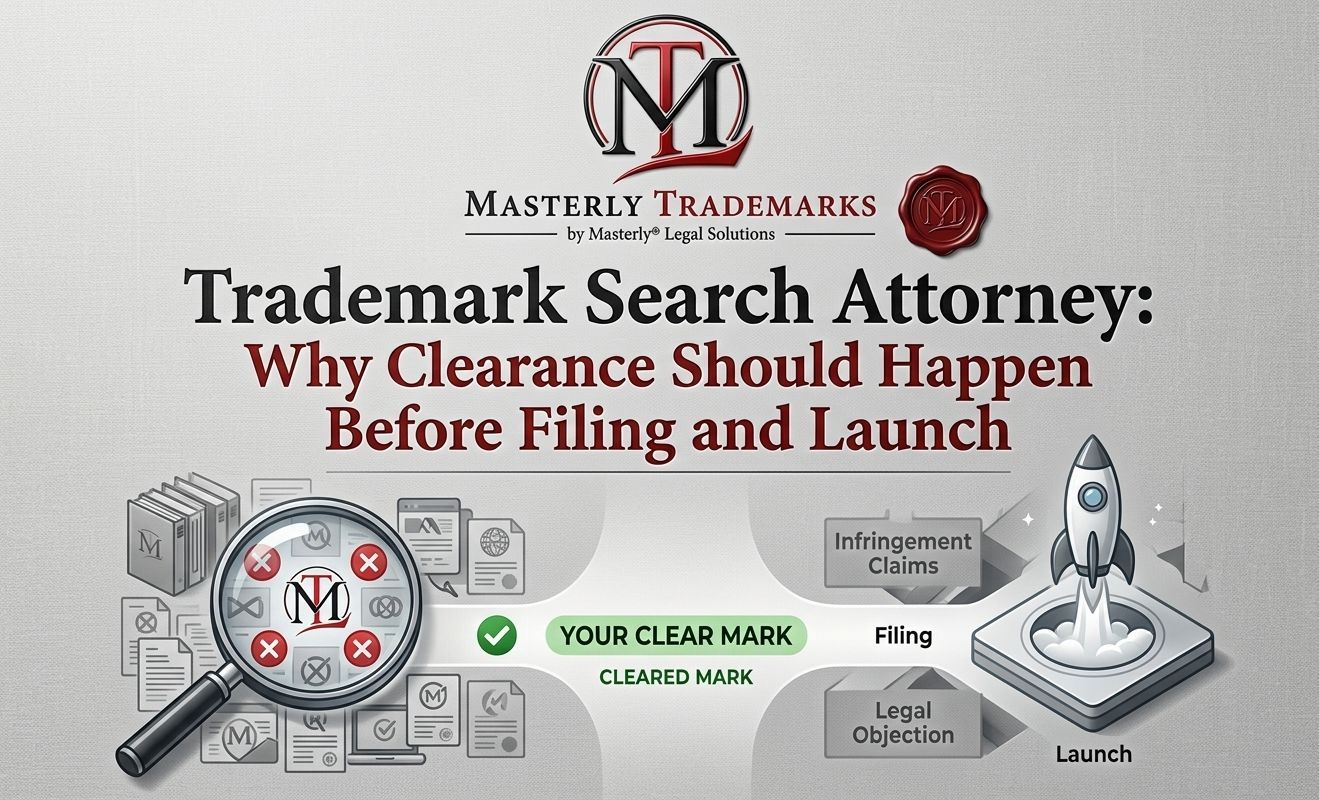
Common law marks are invisible in the USPTO and many state databases, yet they can still block or limit later users. A brand that appears "clear" after checking only official registers may still face a challenge from a prior user with strong local recognition.
Thorough trademark clearance must extend beyond federal and state trademark filings to include internet searches, marketplace listings, social media handles, and local business directories. Example: a 2026 national clothing line launching under a name already used by an unregistered 2019 boutique in Austin, Texas, could face opposition, a cease and desist letter, or forced territorial carve-outs despite holding a federal registration.
Strategic takeaways for brand planning:
- Search broadly before committing to a name-common law marks don't appear in any searchable database
- Factor undetected unregistered trademarks into geographic expansion plans
- Consider coexistence agreements where overlap is unavoidable
- Begin the trademark application and registration process early to establish constructive nationwide notice
FAQs About Common Law Trademark Rights
Here are answers to common questions about how common law rights work in practice.
How long do common law rights last? As long as the mark remains in continuous use for its goods or services and is not abandoned. If use stops or the mark becomes generic, rights dissolve.
How does the first user vs. first filer system affect U.S. businesses abroad? The U.S. is a first-to-use system, but many foreign countries are first-to-file. A U.S. business with strong common law rights at home may have zero protection abroad if another party files first in that country.
Can you use ™ without federal registration? When can you use ®? Anyone claiming trademark rights-including unregistered marks-can use the ™ symbol. The ® symbol is reserved exclusively for marks with a completed federal trademark registration.
Can common law rights stop someone from obtaining federal registration? Yes. A prior common law user can file an opposition or petition for cancellation at the United States Patent and Trademark Office, potentially blocking or limiting a later applicant's registration.
What should you do if you receive a cease and desist letter claiming earlier common law use in another state? Investigate the sender's evidence of first use-dates, locations, customer reach. Compare it with your own. Consider a coexistence or territorial agreement, and document your own use thoroughly before responding.
Is there a worldwide common law trademark rule? No. Common law trademark rights are a feature of U.S. and some other common law legal systems. Many countries provide limited protection or no protection at all without formal registration. Never assume domestic rights travel internationally.
You might also like