Infringed or Accused Copyright Infringement Lawyers Step in Before It’s Too Late
The Race Against Time in Copyright Disputes
Every second counts when your creative work has been infringed or you’re accused of copyright infringement. Whether you're a content creator, a rights holder, or someone suddenly facing allegations, legal support is not optional—it's urgent. At Masterly Trademarks, our copyright infringement lawyers step in swiftly to protect your assets, defend your rights, and secure your future.
Copyright disputes don’t wait. Infringers act quickly, and so must you. Evidence can disappear, unauthorized users can spread your digital content across torrent sites, and a missed deadline with the copyright office can weaken your legal standing.
When You're the Victim: Protecting Your Intellectual Property
If you’ve noticed your work has been published online without permission, it's critical to act immediately. Many digital content creators underestimate how fast their creative work can be copied, redistributed, or sold by unauthorized users.
Our lawyers work with:
- Content owners and publishers with published or unpublished works
- Media and entertainment companies that need tight access control
- Companies dealing with digital format materials like eBooks, videos, sound recordings, and CD-ROMs
We assist with swift copyright registration, taking advantage of the same application and group registration methods to secure protection over your digital assets.
When You're Accused: Safeguard Your Reputation and Livelihood
Facing a copyright allegation can be career-ending if not handled properly. Whether a misunderstanding over fair use, misuse of DRM software, or mistakenly using other content creators' material, our legal team knows how to investigate and defend you.
Key services include:
- Analyzing your use of copyrighted material and verifying compliance with copyright law
- Defending against false accusations of unauthorized use
- Educating clients about copyright education and their rights as authorized users
Digital Rights Management: Legal Layers of Protection
DRM—Digital Rights Management—is increasingly important in protecting digital files. It not only prevents users from copying, sharing, or taking screenshots, but also enforces licensing agreements.
Our firm works with:
- Digital content creators and content providers to implement effective DRM solutions
- Clients seeking DRM technologies for restrict access to sensitive information
- Media and streaming services looking to protect sound recordings and videos from unauthorized distribution
Using digital rights management DRM, we help install protective layers that work in harmony with legal enforcement.
How Copyright Infringement Happens in the Digital Age
It has never been easier to copy and steal digital content. From torrent sites to embedded scripts that bypass online authentication, your digital assets can be compromised without your knowledge.
Common challenges our clients face:
- Unauthorized distribution of video, sound, text, or software
- Misuse of copyrighted content by competitors
- Improper licensing information used in promotional materials
- Failure to update or maintain a DRM system
The result is often financial loss, reputational damage, and legal exposure.
Stop the Spread Before It's Too Late
The longer your copyrighted content is available online without control, the harder it becomes to track down violators. By the time unauthorized users gain access, they often distribute files across multiple platforms. We offer solutions that combine legal action with drm works to lock down and reclaim your content.
Your options include:
- Issuing takedown notices
- Filing for injunctions
- Pursuing damages through federal court
- Submitting applications for copyright protection with the U.S. copyright office
Build Your Legal Strategy Around Copyright and DRM
Whether your concerns involve privacy regulations, data protection regulations, or licensing agreements, our team creates tailored enforcement strategies. We help businesses and individuals navigate the overlap of intellectual property rights and digital law.
Our strategy typically involves:
- Registering or verifying copyright claims
- Implementing DRM technologies for access limitation
- Auditing use of DRM software and digital files
- Evaluating your application form for federal protection
Securing Sensitive Data in Copyright Disputes
More than just media, copyright today protects sensitive data, customer data, and proprietary content used in apps, digital services, and enterprise solutions. We defend your data security just as aggressively as we do your music, films, or books.
If your system stores or transmits:
- Software
- Proprietary databases
- B2B toolkits
- Training content or media archives
You need copyright protection layered with DRM enforcement. We'll ensure unauthorized distribution is stopped and ownership is defended.
The Hidden Risks of Delaying Legal Action
Delays in responding to infringement or accusation allow the problem to grow exponentially. The longer you wait:
- The more platforms your content appears on
- The harder it is to recover control of your work
- The weaker your legal standing becomes
- The more you risk violating data protection regulations or copyright law
Your hesitation could allow competitors, pirates, or even past collaborators to steal your spotlight.
Licensing Agreements: Your First Line of Defense
Properly drafted licensing agreements prevent confusion over derivative works, usage limits, and ownership. We review and revise your contracts to ensure you're protected.
We help you:
- Define terms with authorized users
- Include access control clauses
- Comply with all copyright law standards
Whether you're licensing music, writing, video, or software, enforceable agreements save thousands in litigation.
Legal Support Tailored to Content Providers and Media Brands
From influencers to media and entertainment companies, our copyright infringement lawyers support high-risk industries that rely on reputation and originality. We ensure your digital content is locked down, tracked, and enforced.
Whether you need help with:
- Enforcing DRM systems
- Drafting copyright policies
- Understanding copyright protection in digital format
We build real solutions to defend your work, income, and business model.
How Masterly Trademarks Helps You Stay One Step Ahead
At Masterly Trademarks, we don’t just react—we prevent. We work with content creators, companies, and publishers to educate them on copyright education, implement legal controls, and build future-proof compliance strategies.
Key benefits of working with us:
- Priority handling of infringement cases
- Expert guidance through registration and enforcement
- Custom legal strategies for DRM and content control
We help you restrict access, retain revenue from paying users, and prevent violations before they happen.
For Content Creators, Companies, and Digital Brands
Whether you publish educational courses, manage a streaming service, operate a SaaS platform, or license software, copyright infringement threatens your bottom line. We protect your:
- Published online articles, books, or whitepapers
- Sound recordings and podcasts
- Digital files including videos, slides, and eBooks
- Business systems and trade secrets
You created it. We'll help you keep it.
Your Rights Don't Enforce Themselves
The law is on your side, but only if you act. If you're a copyright holder, content provider, or even a platform host, our team helps you understand and assert your rights.
Don't wait until you're losing sales, fans, or data.
Online Piracy and Legal Issues Every Copyright Owner Must Confront
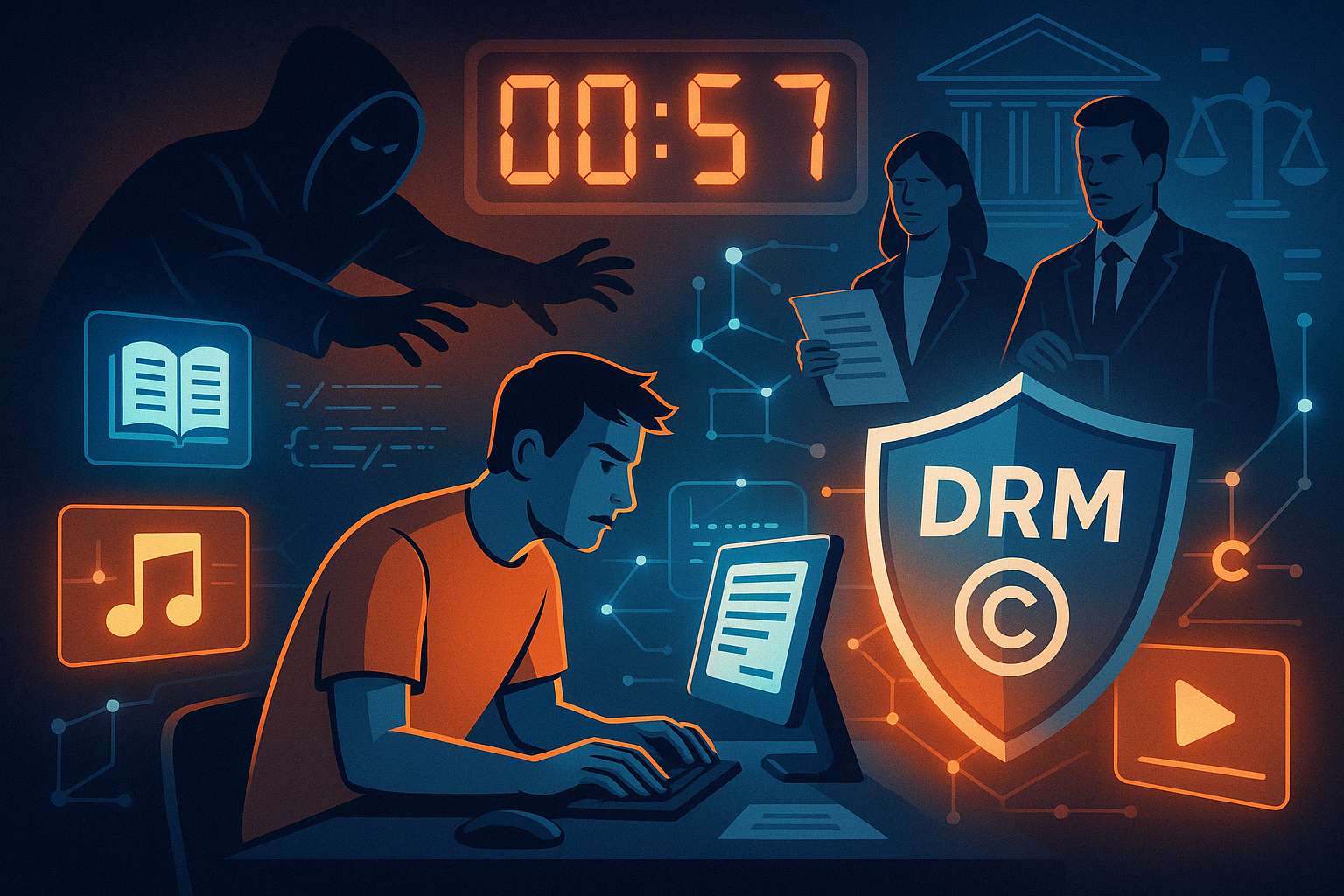
As online piracy surges across digital platforms, it has become one of the most alarming threats to creative professionals and businesses alike. If you are a copyright owner, every unauthorized download, repost, or stream of your work represents not just a financial blow—but a growing wave of legal issues that demand immediate attention. The longer pirated versions of your material remain accessible, the harder it becomes to enforce your rights and secure fair compensation. Our copyright infringement lawyers act fast to help you respond to piracy threats, pursue takedowns, and ensure your intellectual property is shielded from widespread abuse. Taking action early gives you the power to stop infringement before it spirals out of control.
Strengthen Your Legal Shield with Copyright and Trademark Registration
One of the most effective ways to protect your creative assets is through timely copyright and trademark registration. Whether you're producing digital content, launching a new brand, or distributing original media, formal registration gives you the legal foundation to pursue infringers and enforce your rights in court. Without registration, your ability to claim ownership, stop unauthorized use, or recover damages becomes significantly limited. At Masterly Trademarks, our legal team helps clients file airtight registrations that safeguard their content and brand identity. Don’t wait for a legal battle to begin—secure your protection now, while you still have full control.
Understanding the Process for Copyright Registration Before It’s Too Late
Delaying the process for copyright registration can leave your creative work unprotected and vulnerable to theft. Registration not only provides legal recognition of your ownership—it also empowers you to take immediate action if someone copies or distributes your content without permission. Our copyright infringement lawyers walk you through every step, from preparing the correct application to filing with the U.S. Copyright Office. Whether you're registering a single work or multiple pieces under a group registration, we ensure no detail is overlooked. The sooner you register, the stronger your position when infringement strikes.
Contact Us for a Free Consultation
If you believe your creative work has been copied, shared without your permission, or if you’re being accused of infringement, now is the time to act. The risk of doing nothing is far greater than the cost of protecting your digital livelihood. Let our copyright infringement lawyers guide you through every step of the process.
At Masterly Trademarks, we tailor legal strategies that combine digital enforcement and intellectual property protection. Whether you’re protecting your brand, media, or software, we’re ready to help.
Call us today at (972) 236-5051 to schedule your free consultation. Let us answer your questions and help you take the right steps—before it’s too late.
You might also like