Law Firm Video Production: Turning Legal Knowledge into Client Education
Law firm video production is the process of turning attorney expertise into clear, trustworthy video content that educates clients and strengthens referral relationships. If you are a managing partner, marketing director, or solo attorney trying to figure out where video fits in your firm's growth plan, this article will walk you through what matters, what to produce first, and how to avoid common missteps.
What "Law Firm Video Production" Really Means Today
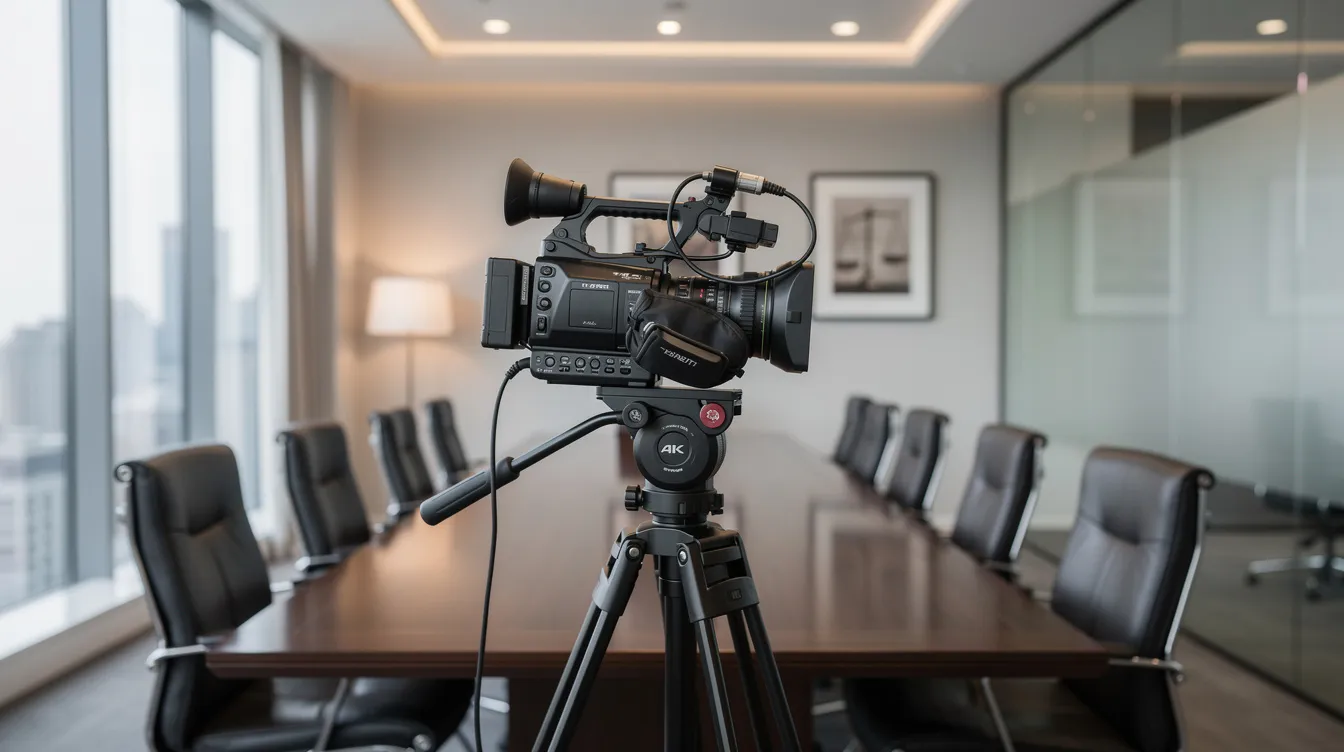
Law firm video production is not about creating flashy commercials. It is the practice of converting what your attorneys already know - case law updates, process breakdowns, answers to frequently asked legal questions - into video content that clients can watch on your website, YouTube, or social platforms before they ever pick up the phone.
There are two broad categories. The first is marketing and educational video: thought leadership pieces, FAQ explainers, and practice-area overviews. The second is litigation-focused video, such as depositions or day-in-the-life recordings, which carry different compliance requirements.
Video content is growing faster than other web-based content, and that trend accelerated between 2024 and 2026. Only about 30% of law firms produced videos in 2023. Today, roughly 62% of law firms include video in their marketing strategy, according to a recent legal sector content marketing analysis. Video allows attorneys to showcase their personality and expertise in a way that writing alone cannot, and video production helps law firms build immediate trust with prospective clients.
Masterly Studios specializes in turning complex practice-area knowledge - like 2024 estate tax changes or 2025 NLRB rulings - into clear client education videos. Typical examples include:
- A three-minute explainer on how probating a will works in Florida.
- An attorney introduction video for a new elder law partner joining the firm.
Why Video Marketing Matters for Law Firms in 2026
Video marketing helps law firms attract and pre-educate clients across multiple channels. YouTube alone has 2.5 billion users worldwide, and search engines increasingly serve video results in response to legal queries. On LinkedIn, video content generates roughly three times more engagement than text posts within the legal field. Social media platforms including Facebook, Twitter, and Instagram all favor video in their algorithms.
Educational videos help demystify complex legal topics, which is exactly what prospective clients need. About 68% of legal services buyers now prefer video as their leading format for consuming thought leadership. Short educational videos can attract users in the research phase - someone searching "what happens after a DUI arrest in Texas" is far more likely to watch a two-minute explainer than read a 2,000-word article. Video helps explain complex legal topics clearly, and a single video project can be repurposed into blog posts, email sequences, and social snippets.
The most impactful use cases for law firms include:
- Practice-area explainers covering specific jurisdictions or recent law changes.
- Attorney introductions that let prospective clients see who they would be working with.
- Client testimonials filmed with proper consent and ethical safeguards.
- Process walkthroughs for timelines like 2026 visa categories or personal injury claims.
Video performs well on social media platforms and complements, rather than replaces, your existing SEO and written content strategy.
Key Types of Law Firm Video Content to Produce First
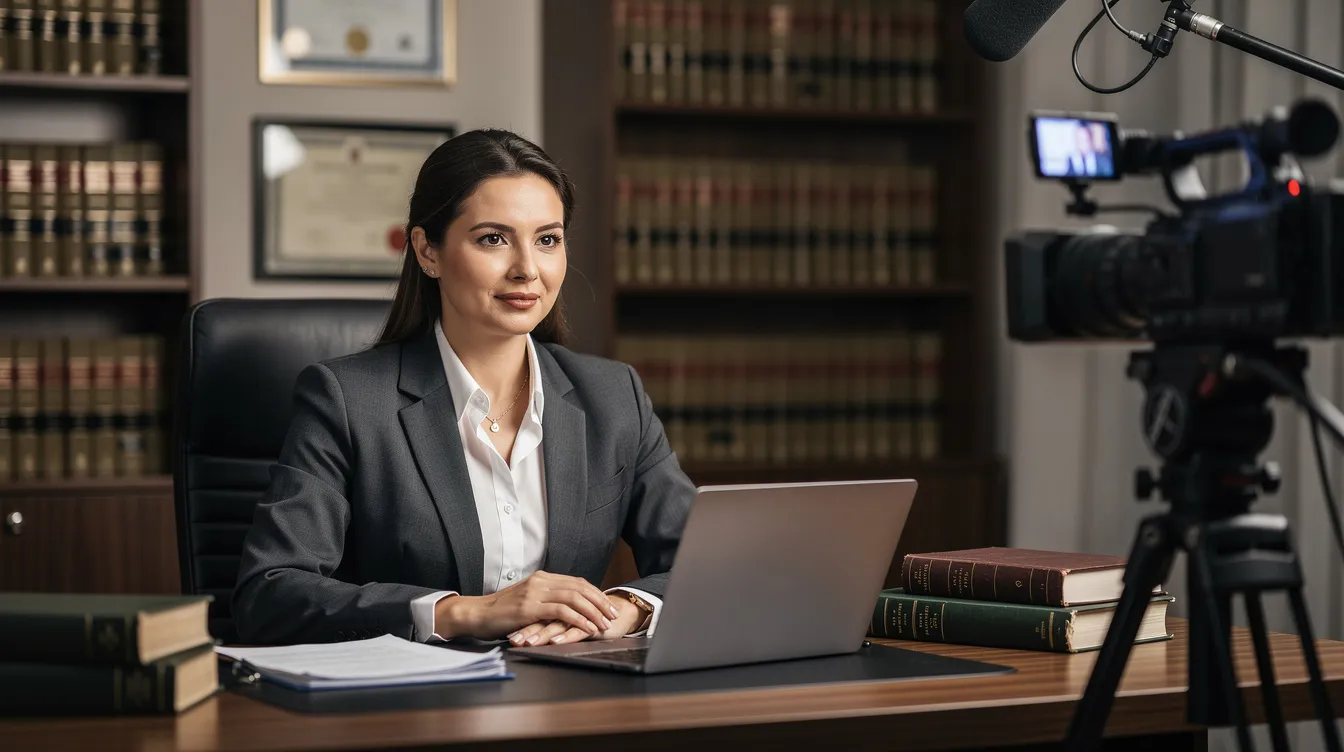
In the first 90 days of a video marketing plan, focus on building a starter library of five to eight foundational videos. Here is where to begin:
Practice-area overview videos. Select two to five core services - criminal defense, employment law, estate planning - and create a short overview for each. These live on practice-area pages and serve as the firm's digital introduction. Educational videos can explain basic legal steps and answer questions that would otherwise consume your intake team's time.
FAQ videos. Base these on real intake questions. "What happens at a first DUI hearing in Texas?" or "How does filing for divorce work in California?" are strong starting points. FAQ videos provide a permanent resource for client queries, and short educational videos make legal information more accessible. Keep videos under one and a half minutes for maximum engagement.
Client testimonials. Case study videos showcase real client success stories, and client testimonials build trust and credibility for law firms. Focus on the client's experience - communication, empathy, process - not promises of outcomes.
Attorney bio and leadership messages. Personal introduction videos help reduce client anxiety. Attorney profile videos help clients relate to lawyers before a first consultation, which shortens the trust gap considerably.
Process and expectations videos. Cover what documents to bring, how consultations work, and timelines. These videos serve the audience at the consideration stage.
Masterly Studios typically sequences these into a starter content library, then builds out niche specialization content from there.
Planning a Law Firm Video Strategy: Goals, Audience, and Compliance
Good law firm video production starts long before cameras roll. Strategy, ethical boundaries, and clear business goals determine whether the finished product actually generates results.
- Define specific goals. An example: increase qualified employment law consult requests by 20% in Q1 2027. Without a measurable target, it is difficult to determine whether production spend delivered value.
- Identify primary audiences. Injured consumers need a different tone than HR directors or in-house counsel. Tailor each video's concept and language to the person watching.
- Map the buyer journey. Awareness-stage content is educational. Consideration-stage content includes process videos and case stories. Decision-stage content features attorney intros and client testimonials that build trust and credibility for law firms.
Compliance matters. ABA Model Rule 7.1 prohibits false or misleading statements in communications about lawyer services. Many states require an "Attorney Advertising" label on promotional video. The FTC's Consumer Reviews and Testimonials Rule, effective since October 2024, requires disclosure of material connections in testimonials. Avoid promises of outcomes or guarantees, use written consent for all client testimonials, and include jurisdiction disclaimers in descriptions.
Masterly Studios partners with firm marketing and compliance teams to review scripts and storyboards before production begins.
The Law Firm Video Production Process: From Scripting to Final Cut
Here is a typical workflow, broken into stages that most firms can expect when working with a production partner like Masterly Studios:
- Discovery and concept (Weeks 1–2). Audit existing blog posts, intake questions, and recent legal updates to prioritize topics. Research what competitors have published and identify gaps. This is where you develop the concept for each video in the series.
- Scripting and messaging (Weeks 3–4). Turn legal memos and FAQs into concise scripts, typically two to four minutes for educational content. Each video should end with a clear call to action, such as "schedule a consultation" or "fill out our contact form." Videos should be spoken in plain language rather than legal jargon.
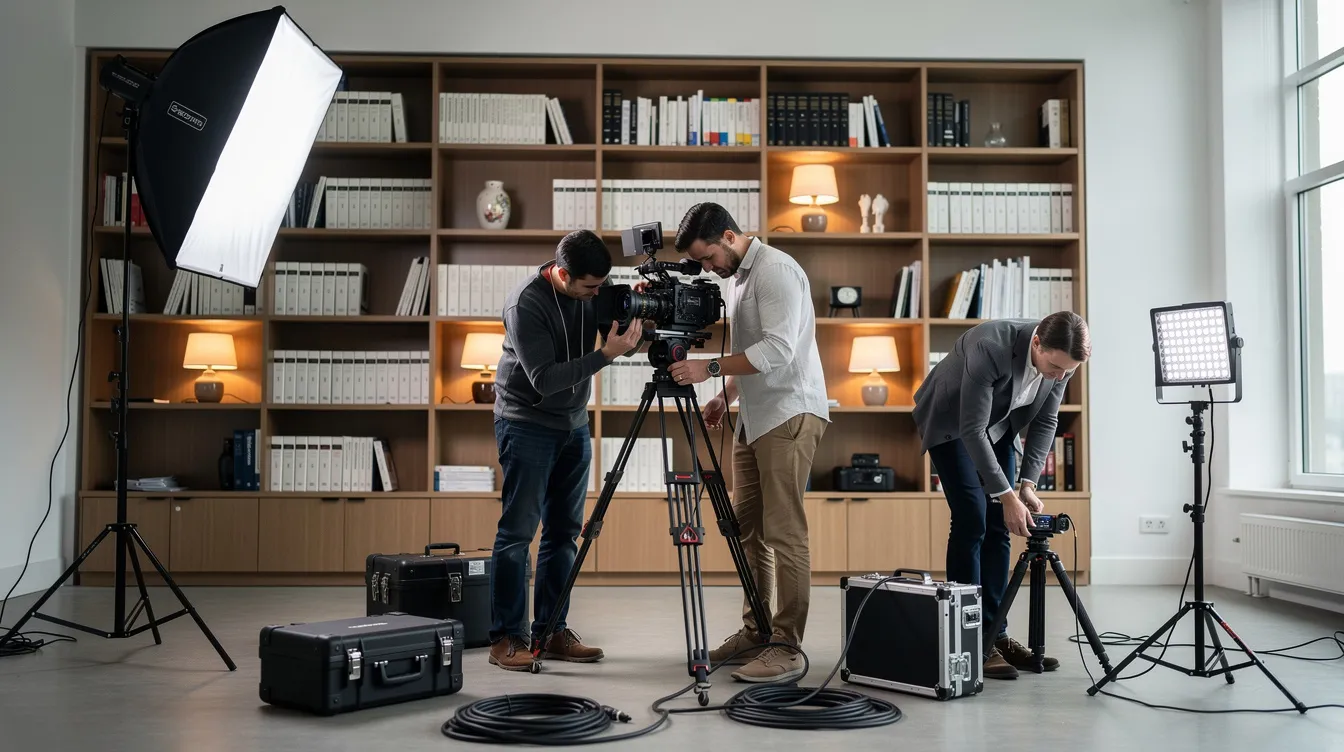
- Pre-production logistics (Weeks 4–5). Select your location - on-site office, conference room, or studio. Schedule attorneys, prepare wardrobe guidelines, and build shot lists. If clients will appear, obtain written releases. Plan for a one- to two-day shoot to film multiple videos efficiently.
- Production (Shoot day). Videos should include clear audio and good lighting for professionalism. Use three-point lighting in conference rooms, frame the attorney with eyes at the upper third of the screen, and capture B-roll in the office, law library, and city exteriors. Good audio can make or break a video - use lavalier or shotgun microphones.
- Post-production (Weeks 6–7). Edit to the script flow, add motion graphics, lower-thirds with attorney name and credentials, and burned-in captions. Output in multiple aspect ratios: horizontal for website and YouTube, vertical or square clips for social.
Masterly Studios manages revisions, legal sign-off, and final file delivery in formats suited for each distribution channel.
Production Quality Choices: DIY vs. Professional Legal Video Production
Firms often ask whether they should film on a phone or hire a specialized legal video production partner. The answer depends on your goals and the stakes involved.
DIY video works well for quick FAQ clips, internal updates, and social media snippets. Use a smartphone that records at least 1080p. A tripod stabilizes your phone while recording video. Record videos in a quiet, well-lit room to avoid distracting background noise. Short videos under 90 seconds are recommended for engagement on social channels. The budget is limited, but so is the polish.
Professional production with a partner like Masterly Studios provides consistent branding, better sound and lighting, strategic input on content, and on-camera coaching for attorneys who are not media trained. Consistent, professionally produced videos strengthen brand identity across every platform. Technical standards for 2026 include capturing at 4K resolution for master files with 1080p delivery, dual-system audio for important shoots, and branded elements like animated logo stings and practice-area color palettes.
Accessibility matters. Burned-in captions, transcripts, and language versions for multilingual audiences should be part of every production plan. Professional does not mean cinematic commercials - for most law firms, the best results come from clean, reassuring educational videos shot in real offices with quality equipment and proper lighting.
Distributing and Measuring Your Law Firm Video Content
Even a well-produced video fails if it lives on a hidden subpage. Distribution is as important as production.
Priority channels for law firms:
- Website. Embed videos on practice-area and attorney bio pages. About 68% of firms house videos on their website, and optimized videos on a website can increase online visibility. Videos increase conversions when prominently featured on websites.
- YouTube. Structure playlists by practice area - for example, "2026 Family Law Updates in Florida" or "Startup General Counsel FAQs." Search engines favor multimedia content for better search rankings, and video content can boost search engine optimization rankings.
- LinkedIn and social. Post native video for B2B practices. Use short clips on consumer-facing platforms. Videos increase engagement rates in email marketing when embedded or linked in client newsletters.
Video SEO basics: Use titles, descriptions, and tags that include practice-area and location keywords. Embed videos with schema markup to improve visibility in search results. Each video's description should link back to the relevant practice-area page on your website.
Metrics to track:
- View-through rate and watch time to judge whether the viewer stays engaged.
- Click-to-contact or form fill conversions from pages with embedded video.
- Lead quality feedback from your intake team - not just raw view counts.
Masterly Studios can help firms set up simple reporting dashboards that connect video views to form fills, calls, and scheduled consultations.

When to Bring in a Specialist Like Masterly Studios
Several triggers signal that it is time to bring in a professional law firm video production partner:
- Rebranding in 2026 with a new website that needs unified video content across five to ten practice areas.
- Launching a new office, niche practice group like data privacy or cryptocurrency compliance, or a bilingual offering that requires clear explanation to a broader community.
- Leadership wanting consistent thought leadership content to promote the firm at conferences, webinars, and on-demand client education channels.
Potential clients look for reassurance during stressful times. A polished, accurate video on your website can be the factor that turns a browser into a consultation.
Masterly Studios works with law firms through a discovery call, strategy session, content roadmap, and production plan designed to protect busy attorneys' time while delivering videos that serve the business long-term.
If your firm is ready to develop a video presence that educates clients, strengthens your brand, and supports your market position, schedule a law firm video strategy consultation with Masterly Studios to review your current video presence and identify where the gaps are.
You might also like