Trademark Infringement Lawyer: What Brand Owners Should Document Before Enforcement Begins
Discovering that another company is using a mark that looks or sounds like yours can be unsettling. Before you fire off an angry email or post about it on social media, there is a more productive step: organizing the evidence your trademark infringement lawyer will need to evaluate your options. This guide walks you through exactly what to document and why each category matters.
What a Trademark Infringement Lawyer Needs From You on Day One
A trademark infringement lawyer specializes in protecting brand assets from unauthorized use, but that protection starts with what you bring to the table. Before counsel can draft a demand letter, file a complaint, or even advise on the best strategy, they need a clear factual picture built from your own records.
This article is written from the perspective of a boutique law firm focused on brand enforcement and intellectual property rights. The goal is to help you arrive at that first consultation prepared, not to encourage DIY enforcement.
Here are the core categories attorneys ask for immediately:
- Proof of ownership (registrations, common-law use, chain of title)
- Dates of first and continuous use in commerce
- Examples of the infringing use you have observed
- Evidence of market overlap between you and the suspected infringer
- Any records of consumer confusion or measurable harm
Organized documentation can lower costs, speed up enforcement strategy, and improve outcomes in both negotiation and litigation. A trademark infringement attorney represents clients in federal and state courts, sends cease-and-desist notices to infringers, and advises on strategies for brand protection. Cease-and-desist letters can resolve trademark disputes without litigation, but complex disputes crossing state lines may require formal legal proceedings.
Escalation options range from quiet monitoring, to demand letters, to settlement, to a full infringement lawsuit in state court or federal court. The rest of this article helps you prepare for a legal review. Attorney review is critical before you send any cease and desist letter or make public accusations online.

Confirming You Actually Own the Trademark Rights You Want to Enforce
A trademark infringement lawyer first verifies that the client has enforceable rights in the trademark or service mark at issue. Without that foundation, enforcement can stall or backfire.
Types of ownership proof to gather:
- Federal trademark registration certificates. A certificate from the United States Patent and Trademark Office (the patent and trademark office that handles trademark registration) serves as prima facie evidence of ownership and exclusive rights for the listed goods or services.
- State registrations. These provide protection within a single state and may be useful in a state court action, but they carry less weight than federal registration.
- Common-law rights. Trademark rights arise from usage in the commercial marketplace, even without registration. However, common law trademark rights exist only within a geographical area where the mark is actually used and recognized.
- Trademark vs. service mark. A trademark applies to physical products; a service mark applies to services offered. Courts and most people group them under "trademarks," but your documents should be precise about which goods or services are covered.
Under federal law, the Lanham Act of 1946 protects trademarks in the U.S. and creates nationwide presumptions through trademark registration. A federal registration on the Principal Register gives you constructive use priority, the ability to sue in district court, and access to statutory remedies. Trademark registration also provides additional remedies against counterfeiters. The trademark office accepts two types of trademark applications: use-based and intent-to-use.
Gather documents that establish chain of title: assignments, mergers, entity name changes, and licenses. If a trademark application or registration has changed hands, your trademark attorney needs to see the paper trail. Standing to bring infringement claims depends on proving current ownership.
Practical documentation examples include dated specimens, old promotional materials, product packaging, domain registrations, and screenshots showing consistent use of the mark. Gaps in ownership records do not always defeat enforcement, but they affect the risk assessment and leverage your trademark lawyer will evaluate.
Documenting First Use, Continuous Use, and Priority in the Marketplace
Priority often decides the outcome of a trademark dispute. Under U.S. trademark law, the party who used the mark first in commerce holds senior rights over later users.
Why this matters:
- The senior user's trademark rights generally prevail in enforcement or opposition proceedings.
- Continuous use prevents abandonment. Non-use for three consecutive years without intent to resume can trigger abandonment under federal rules.
- A comprehensive trademark clearance search can prevent conflicts before launching a brand identity, but once a dispute arises, historical documentation of your own use is what counts.
Useful date evidence to compile:
- Dated invoices and sales receipts for goods or services sold under the mark
- Shipping and manufacturing records
- POS system reports with timestamps
- Advertising campaigns, trade-show displays, and printed brochures with dates
- Social media posts with publication dates
- Domain WHOIS records showing registration dates
There is a meaningful difference between the dates you claimed in a trademark application and independently verifiable proof a court or the appeal board would rely on. Courts look for corroborating records, not just self-declarations.
If the other party began use earlier in a different geographic region, your enforcement strategy changes. Geographic scope, federal registration status, and online reach all factor into who has priority and where. Disclose any lapses in use, rebrands, or business closures to your lawyer at the outset. Multi-year gaps can undercut priority or invite abandonment claims from the other side.
Capturing Clear Evidence of the Infringing Use
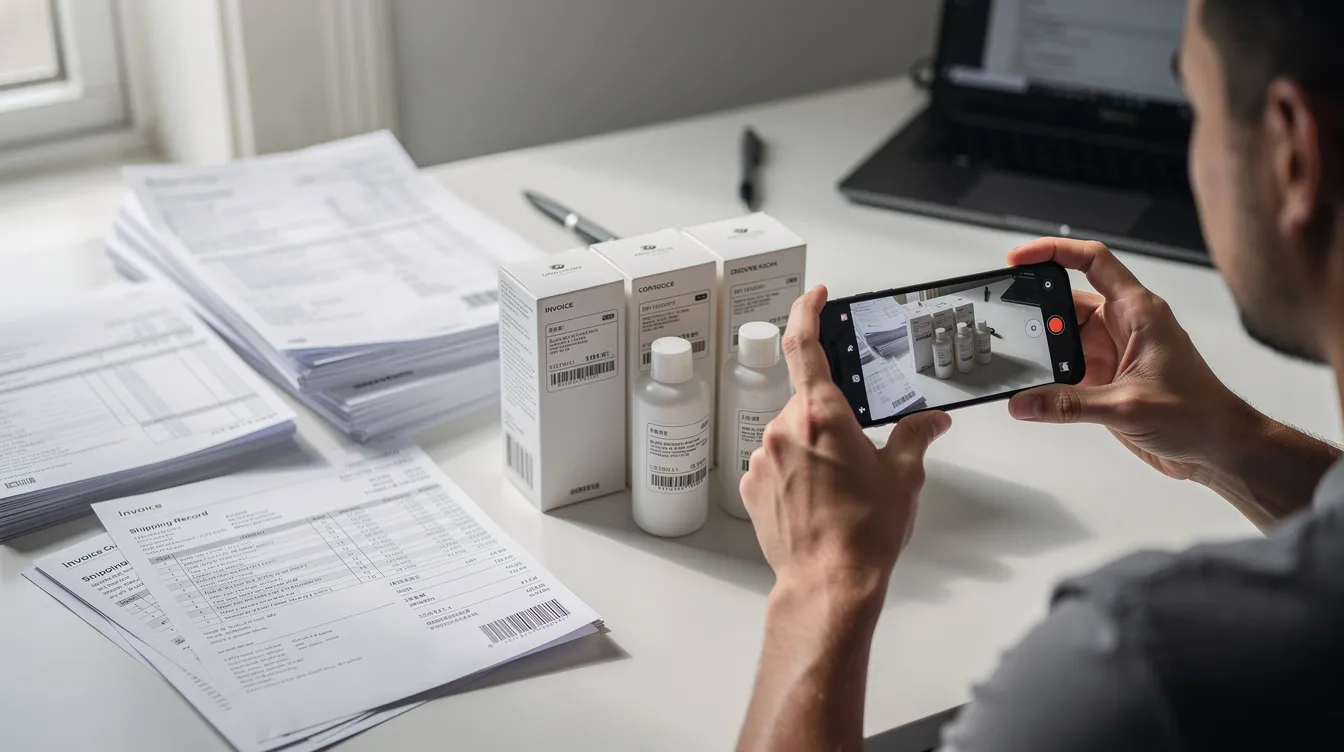
A trademark infringement lawyer relies heavily on what the accused use actually looks like in the real world. A trademark infringement lawyer can help when a business discovers an imitator, but the initial evidence capture often falls to the brand owner.
How to preserve online evidence:
- Take full-page screenshots that include the URL, date, and time
- Download product listing details from Amazon, Etsy, eBay, and similar platforms
- Use web archive tools like the Wayback Machine to capture historical pages
- Save HTML files or PDF exports of key pages
For offline infringing use:
- Photograph storefronts, signage, trade-show booths, and printed brochures
- Capture images of product packaging, labels, and receipts
- Include context: your product next to theirs on a shelf if possible
Make sure to capture how the allegedly confusingly similar mark appears to ordinary consumers. Document the fonts, colors, logo layout, slogans, and placement. Note where and when the use was observed (city, platform, approximate dates) and who inside your company captured the evidence. Trademark infringement lawyers monitor the marketplace for confusingly similar marks, but your early documentation forms the baseline.
Preserve everything in unaltered form. Keep originals with metadata intact. Annotated copies for internal notes should be saved separately. For litigation, a lawyer may later recommend forensic or third-party preservation.
Assessing Whether the Marks Are "Confusingly Similar"
Trademark infringement turns on likelihood of confusion, not identical copying. Two marks can look different and still be confusingly similar if consumers are likely to assume a connection between them.
Assessing whether infringement is occurring involves comparing the marks and goods. The trademark office and courts analyze marks across appearance, sound, meaning, and overall commercial impression. Trademark infringement creates a likelihood of consumer confusion, and trademark infringement lawyers evaluate risk based on that likelihood.
Before your consultation, prepare the following:
- Side-by-side comparison. Place your mark next to the accused mark, including examples of how each appears on packaging, websites, and advertising.
- Goods and services comparison. Are the products or services identical, related, or unrelated? Courts give stronger weight when goods are closely related. Understanding the specific industry helps in evaluating trademark infringement risks.
- Channels of trade. Are both brands sold in the same retail environments, online marketplaces, or B2B platforms? Overlap increases the risk of consumer confusion.
- Target customers. Casual consumers are more likely to be confused than sophisticated B2B buyers who exercise greater care.
Bring all examples to the consultation. Avoid assuming that small spelling differences, design tweaks, or disclaimers like "Not affiliated with X" eliminate confusion. Courts routinely find liability despite such differences when the overall impression remains similar.
Recording Evidence of Actual Consumer Confusion and Market Impact
A trademark infringement lawyer looks for concrete signs of confusion, not just irritation or suspicion. Even a small number of genuine incidents can carry significant weight in a settlement negotiation or an infringement lawsuit.
Real-world confusion examples to document:
- Misdirected emails or social media messages intended for your company but sent to the infringer
- Customers returning the wrong product or leaving reviews referencing the wrong company
- Questions like "Are you the same as X?" in customer service chats or phone calls
- False social media tags linking your brand to the other party's content
Save dated screenshots, emails, chat logs, and customer service notes showing mistaken identity. For phone calls, log the time, date, caller's name if available, a short description of what they said, and who handled the call internally.
Distinguish actual confusion from speculation. A customer email asking whether two companies are related is evidence. Your personal hunch is not. Investigating other parties' trademark rights includes searching federal and state rights, but documenting real-world confusion gives your case an additional layer of strength.
Surveys and expert evidence are advanced tools sometimes used in federal court or trademark trial proceedings. These are organized by counsel, not DIY projects.
Quantifying Harm: Sales, Lost Opportunities, and Brand Damage
Enforcement decisions depend on both legal strength and business impact. Documenting harm shapes the remedies your trademark attorney pursues.
- Sales data. Gather monthly revenue reports before and after the suspected infringement began. Break data down by product, SKU, and geographic region. Year-over-year comparisons help establish patterns.
- Lost opportunities. Document canceled deals, distributor complaints, retailers dropping products, or partners expressing concern about confusion. Save emails or notes from those conversations.
- Reputational harm. Capture screenshots of negative reviews that blame your brand for the other party's product. Flag press coverage or social media blowback that conflates the two companies.
Three common damages theories apply in trademark cases: the plaintiff's actual losses, the defendant's unjust enrichment, and a reasonable royalty. It is often difficult to tie every dollar of loss directly to infringement, but even directional evidence helps a trademark attorney assess which theory fits.
Treble damages may be awarded for willful trademark infringement, and trademark registration provides additional remedies against counterfeit goods. Damages documentation affects whether a lawyer recommends negotiation, a business-driven solution, or full-scale federal litigation where attorneys fees and enhanced damages may be at issue.

Mapping Market Overlap, Territories, and Online Presence
Market overlap directly affects enforcement leverage. The more your territories and channels intersect with the suspected infringer's, the stronger your likelihood of confusion argument.
Prepare a simple overview covering:
- Where you sell - states, countries, online marketplaces, app stores
- Where the infringer sells - same categories, based on what you have observed
A nationwide federal registration interacts with regional use in important ways. If you hold a registration and the other party operates locally without one, your constructive nationwide rights may cover their territory. When one party is local and the other is national or online-only, the dispute can play out differently depending on the forum and the evidence of actual market penetration.
Document search-engine visibility: screenshots of Google and Bing results for the mark, paid ads, and how both brands appear side-by-side on results pages. Capture online profiles and listings - social media handles, app names, domain names with a similar name, directory listings, and marketplace storefronts that might create a false impression of affiliation.
Clear mapping helps a trademark infringement lawyer choose between quiet resolution, brand co-existence, or more aggressive brand enforcement.
Understanding Legal Forums, Remedies, and Attorneys' Fees
This section gives you realistic expectations to discuss with your lawyer, not encouragement for self-representation.
- Federal court. Infringement claims under the Lanham Act proceed in U.S. district court. The Lanham Act governs federal trademark infringement cases and provides remedies including a preliminary injunction, damages, and disgorgement of profits. Temporary restraining orders can halt infringing activity immediately. Trademark litigation can also occur before the Trademark Trial and Appeal Board (TTAB), which handles registration disputes such as oppositions and cancellations, though the TTAB cannot award damages. The USPTO recommends hiring experienced trademark counsel for TTAB matters.
- State court. State trademark and unfair competition statutes provide additional avenues, particularly for local disputes or trade secrets claims alongside trademark prosecution.
- Remedies. Courts may order injunctions to stop use, corrective measures, damages, disgorgement of profits, and in exceptional cases, attorneys fees. Under the American Rule, each side typically pays its own costs, with fee-shifting available only in specific trademark cases involving bad faith or willful conduct.
- Earlier resolution tools. Trademark infringement lawyers negotiate settlements to resolve brand conflicts. Options include settlement talks, coexistence agreements, platform-based IP complaints, and monitoring or watch services. Many disputes resolve without time consuming litigation.
Trademark infringement lawyers handle legal disputes involving trademarks, and they file or defend trademark infringement lawsuits in court when resolution through other channels fails.
Preserving Evidence the Right Way Before You Contact Counsel
How evidence is preserved can affect the strength of a future infringement lawsuit or defense.
- Organize simply. Use clearly labeled, dated folders (e.g., "Trademark Dispute – January 2026"). Back everything up to cloud storage and ensure team members upload screenshots and documents to a central location.
- Keep originals intact. Do not edit or annotate original screenshots or files. Save originals plus separately marked annotated copies for internal notes.
- Avoid hostile contact. Do not send threatening emails or social media posts to the suspected infringer before legal review. Unplanned communications can be discovered in court and may trigger counterclaims.
- Limit internal strategy discussions. Keep privileged conversations with your trademark attorney separate from general internal communications. This protects the confidential consultation and legal strategy from potential disclosure during discovery.
- High-risk situations. If you are facing counterfeit goods or suspect the infringer may destroy evidence, counsel may recommend specialized preservation methods. Basic documentation by the business is still the essential starting point.
How a Trademark Infringement Lawyer Turns Your Documentation Into a Strategy
Every section above feeds into a single process: your attorney's assessment and advice. The typical review involves analyzing ownership and priority, comparing marks and markets, evaluating evidence of confusion and harm, and weighing your business goals against costs and timing.
Potential paths forward include:
- Monitoring and watch services to protect trademarks over time
- Private outreach or demand letters
- Platform complaints and marketplace takedowns
- Negotiated coexistence or license agreements
- Formal infringement claims in court when the evidence and harm justify the investment
A focused, well-documented file allows the lawyer to spend more time on legal analysis and less on reconstructing facts. This often leads to a clearer, faster strategy and stronger settlement leverage. Companies with organized trademark portfolios consistently benefit from more efficient enforcement.
Every situation is fact-specific. Nothing in this article constitutes legal advice for a particular dispute.
When to Request a Trademark Infringement Lawyer Consultation
If you have reached this point in the article and recognized your own situation, it may be time to speak with counsel.
Common trigger points:
- Multiple customer reports of confusion between your brand and another
- Discovery of a confusingly similar mark on a major marketplace or high-traffic platform
- Receipt of a cease-and-desist letter from another party (receiving a cease-and-desist letter is a clear signal to consult a trademark lawyer)
- Counterfeit goods appearing under your logo or brand name
- Expansion plans threatened by a competing mark
Consultations typically focus on risk assessment and available options, not automatic lawsuits. Early legal review can prevent costly missteps and preserve your protection options. A confidential consultation lets you and your attorney evaluate the best strategy based on the facts.
Gather the categories of documentation outlined above before the meeting to make the most of your time and keep costs manageable.
Request an infringement and brand-protection consultation with Masterly Trademarks. The firm brings extensive experience in intellectual property, brand enforcement, and trademark disputes. Contact Masterly Trademarks at (972) 236-5051 or visit masterlytrademarks.com to schedule your consultation.

FAQ: Working With a Trademark Infringement Lawyer
Below are answers to questions brand owners commonly ask before their first meeting with counsel.
Do I need a federal trademark registration to pursue infringement claims? No. You can rely on common-law rights acquired through use in commerce. However, federal registration adds significant advantages: nationwide constructive priority, stronger presumptions of validity in court, access to federal remedies, and additional tools against counterfeit goods. Common law trademark rights exist only within the geographical area where the mark is known, which limits your enforcement reach.
What information should I send before the first meeting? Ownership records (registration certificates, assignments, entity documents), dates of first and continuous use with supporting evidence, examples of the infringing use you have observed, any documentation of consumer confusion, and sales or financial data showing business impact.
What can I expect in the first 30–90 days after engaging a trademark infringement attorney? Counsel will review your documentation, perform searches of the trademark office database and common-law sources, gather additional evidence, and assess your enforcement options. Depending on the facts, the attorney may send demand letters, initiate informal outreach, evaluate negotiation potential, or begin preparing a complaint if quick resolution is not possible.
Should I send my own cease-and-desist letter before speaking with a lawyer? This is risky. Without counsel review, you may inadvertently make admissions, overstate your claims, or limit your legal options. An improperly worded letter can trigger counterclaims, including allegations of false advertising or unfair competition. Let your attorney craft the message after reviewing the full evidence.
How do disputes sometimes resolve without going to trial? Many trademark disputes settle through negotiation, coexistence agreements, licensing arrangements, marketplace takedowns, or informal agreements mediated by counsel. A well-documented case often gives plaintiffs the leverage needed to reach a business-driven settlement without the expense of a full lawsuit.
You might also like