Your Creative Work Is Vulnerable Without Legal Protection from Copyright Infringements
Creativity Alone Won't Shield You from Infringement
When you pour your time, vision, and passion into creating something original, the last thing you expect is for someone to steal it. Yet in today's digital economy, copyright infringement is more common than ever. From blog content to computer software, photography to audio recordings, no form of creativity is safe without legal support.
At Masterly Trademarks, we know your work is more than just content—it's your livelihood, your brand, and your reputation. Without proper copyright protection, your creative works remain exposed to theft, misuse, and exploitation.
What Copyright Law Actually Protects
Under copyright law, original works fixed in a tangible medium receive automatic protection the moment they are created. However, enforcement and full protection require taking further steps.
Copyright owner's exclusive rights include:
- The right to reproduce and make copies
- The right to create derivative works
- The right to publicly distribute and display the work
- The right to perform audio recordings or visual content publicly
These rights are only enforceable to the same extent that they can be proven in court—which is why copyright registration is essential.
The Risks of Skipping Copyright Registration
A valid copyright strengthens your position as a copyright holder and provides the basis for claiming statutory damages, actual damages, and attorneys fees in court. Without it, your case may fall flat, even if your work infringed was clearly stolen.
Registering with the copyright office creates a legal record of ownership, allowing you to:
- Enforce your exclusive rights in litigation
- Pursue compensation for willful infringement
- Prevent public distribution of unauthorized copies
- Stop others from profiting off your ideas
This step can make or break your ability to defend your intellectual property.
Willful Copyright Infringement and Criminal Exposure
Some forms of infringement are accidental, but many are done knowingly for private financial gain or commercial advantage. When this occurs, it becomes willful copyright infringement, and in some cases, even criminal copyright infringement.
According to federal law, criminal penalties can include fines or imprisonment, especially in cases involving mass copying, digital piracy, or unauthorized distribution on a large scale. This applies not only in the U.S. but also in the Asia Pacific region and other countries covered under the Berne Convention.
Taking action through legal channels ensures copyright owners can pursue justice and accountability.
The Role of Copyright Infringement Lawyers
Copyright infringement lawyers provide essential support for creators, developers, and businesses navigating these legal issues. At Masterly Trademarks, our team helps clients enforce their IP rights, file lawsuits when necessary, and negotiate settlements when infringement has occurred.
We handle:
- Preparing and filing copyright registration
- Evaluating if a work infringed qualifies for enforcement
- Determining actual damages or statutory damages
- Sending cease-and-desist letters to infringers
- Representing clients in court during litigation
You don’t have to manage this process alone. With the support of copyright attorneys, your case is built on a foundation of law and experience.
Digital Platforms and the Spread of Copyright Violations
Internet service providers and online platforms make it easy for infringers to distribute copyrighted material without permission. Content can be copied, reposted, or repackaged without proper credit or licensing.
We see violations across:
- Social media
- Video hosting sites
- Self-publishing platforms
- Music streaming apps
In many cases, infringement is ongoing before a creator even realizes it. Regular monitoring and immediate legal response are key.
Navigating Fair Use and the Boundaries of the Copyright Act
Not every use of copyrighted content qualifies as infringement. The copyright act includes limitations under the doctrine of fair use for purposes like commentary, criticism, teaching, or research. However, this is often misused as a defense.
Copyright infringement lawyers help determine whether a use crosses the line into violation based on:
- The purpose and character of the use
- The nature of the copyrighted work
- The significant part taken from the original
- The effect on the market or value of the original work
Misapplying fair use can open individuals or companies to legal exposure.
Trade Secrets and Copyright Protection
In some cases, creators use copyright protection alongside trade secrets to defend proprietary systems, designs, or materials. Software developers, architects, and designers often rely on both types of legal protection to cover different aspects of their IP rights.
Our attorneys help build integrated protection strategies that combine:
- Copyright registration
- Trademarks for branding
- Confidentiality agreements for sensitive data
This layered approach ensures your most valuable assets are shielded from all sides.
Global Enforcement Through the Berne Convention
Thanks to the Berne Convention, copyright protection extends across borders. If your work is copied or sold in another country, you may still have legal options depending on applicable law in that jurisdiction.
At Masterly Trademarks, we work with international legal partners to help our clients pursue infringement cases globally. Whether you're a publisher, musician, developer, or entrepreneur, global enforcement is increasingly critical.
Enforcing Copyrights in Federal Courts
When out-of-court resolutions fail, the next step is often litigation. Federal courts handle the majority of copyright cases, especially those involving interstate distribution or computer software.
We help clients:
- Gather evidence of infringement
- File claims under federal law
- Navigate the court process from start to finish
- Seek maximum compensation and enforcement orders
In many cases, our clients are eligible for attorneys fees and reimbursement of legal costs if the court rules in their favor.
Cease-and-Desist Letters as a First Strike
Before taking formal legal action, many copyright attorneys begin with a cease and desist letter. This notifies the infringing party of the violation and demands immediate action.
Benefits include:
- Quick removal of stolen content
- Establishing legal intent and documentation
- Saving time and legal expense
Often, this is enough to stop the problem and avoid the cost of litigation.
The First Sale Doctrine and Licensing Confusion
Some copyright holders mistakenly believe their rights end after a sale. Under the first sale doctrine, buyers may resell physical copies of a copyrighted work, but not distribute or reproduce it.
We help clarify rights around:
- Licensing agreements
- Online course materials
- Digital music or eBooks
- App content and installations
Licensing confusion can lead to accidental violation or weakened IP rights.
When Your Content Is Used for Private Financial Gain
Whether someone copied your photos for an ad, published your ebook under their name, or resold your code, private financial gain is a major trigger for copyright enforcement.
Willful infringement with a goal of commercial advantage is viewed harshly by the courts. It opens the door to:
- Greater statutory damages
- Criminal penalties in some cases
- Damage to your brand and business model
If you're a victim, legal action must be swift and strategic.
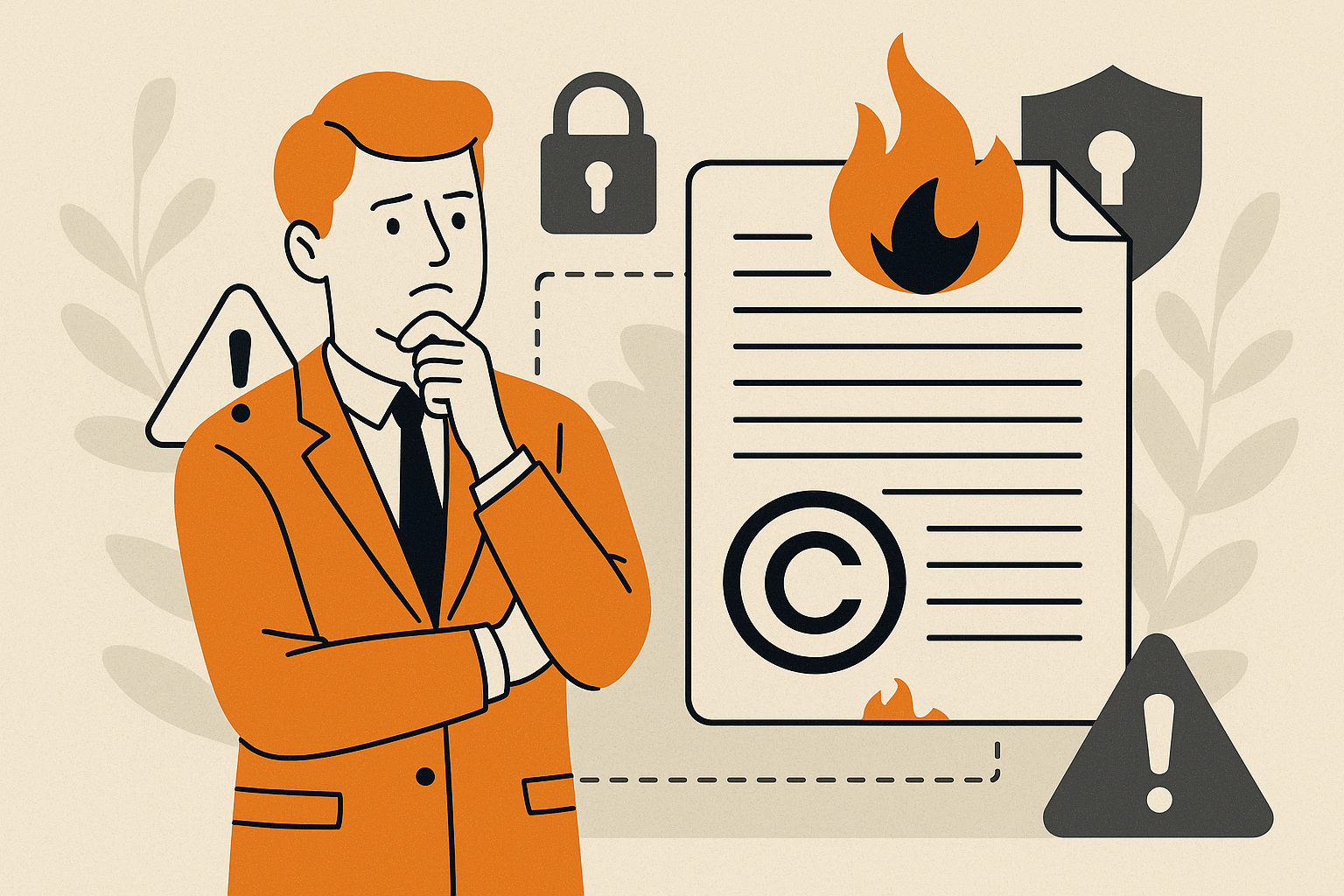
When to Call Copyright Infringement Lawyers
Not every case of copied content requires a lawsuit. But the moment your work is used without permission in a way that affects your business, your visibility, or your revenue, you need legal guidance.
At Masterly Trademarks, our copyright infringement lawyers help:
- Determine if a valid copyright exists
- Explore options under applicable law
- Evaluate your actual damages and recovery options
- Represent you in takedown demands, settlement talks, or court proceedings
Our mission is to protect your creativity and restore the power back in your hands.
The Full Spectrum of Copyright Protection for Your Business
Whether you’re defending artistic works, computer software, written content, or multimedia assets, copyright applies across the board. But enforcement takes planning, legal know-how, and the right tools.
Your strategy may include:
- Registration of new works with the copyright office
- Licensing contracts and usage agreements
- Ongoing monitoring for infringement
- Immediate action through legal channels when violations occur
Creative success is built on ownership. Let us help you maintain yours.
Rights Holders Need Legal Access to Stop Infringement Before It Spreads
Rights holders often face the challenge of proving ownership and enforcing protection without immediate access to the proper legal tools. Without a clear connection between the original creator and the infringing use, the path to stopping unauthorized exploitation becomes complex. At Masterly Trademarks, we help creators and businesses establish that vital link through formal copyright registration and enforcement strategies. In cases of willful infringement, we assist with civil actions and support clients when prosecution is necessary under applicable federal law. Taking early legal steps is the key to stopping theft and preserving the value of your original work.
Understanding the Real Cost: Copyright Infringement Penalties Are More Serious Than You Think
Copyright infringement isn't just unethical—it can be incredibly costly. Under U.S. law, copyright infringement penalties can include both civil and criminal consequences, especially in cases involving willful infringement or reproduction for private financial gain. Civil penalties may range from actual damages and lost profits to statutory damages up to $150,000 per infringed work. In more severe cases, criminal penalties may include steep fines and even imprisonment. Courts may also award attorneys fees to the prevailing party, further increasing the stakes. For rights holders, timely legal action is essential to minimize harm and enforce protection under the copyright act.
Partnering with a Copyright Infringement Attorney Is Critical to Protecting Your Work
When someone uses your creative work without permission, a copyright infringement attorney becomes your most powerful ally. These legal professionals specialize in enforcing your rights, recovering damages, and stopping further misuse through legal action. At Masterly Trademarks, our attorneys guide clients through every step—from verifying copyright registration and documenting the work infringed, to filing claims under copyright law and pursuing statutory damages or actual damages in court. Whether you're a content creator, software developer, or business owner, having an experienced attorney ensures your intellectual property is protected and your legal rights are fully enforced. Don't wait until infringement becomes a crisis—get legal support in place before it's too late.
How to Avoid Copyright Infringement and Protect Your Business from Legal Trouble
Avoiding copyright infringement starts with understanding your legal boundaries and respecting the exclusive rights of original creators. Businesses, marketers, and creators should never assume content found online is free to use. To stay compliant, always obtain proper permission, licenses, or use content that is clearly marked for reuse under fair use—but only when applicable. Conduct thorough research, use copyrighted material responsibly, and consult legal professionals when in doubt. At Masterly Trademarks, we help clients build clear usage policies and provide guidance on copyright protection to reduce potential risks and avoid costly copyright infringement penalties.
How to Protect Your Small Business from Copyright Infringement and Content Theft
For small businesses, even one act of copyright infringement can damage your brand and drain valuable resources. To avoid becoming a target, the first step is securing your own copyright registration through the copyright office, which strengthens your legal standing as a rights holder. Regularly monitor the internet, social media, and marketplaces for unauthorized use of your creative works, and act quickly by issuing a cease and desist letter if infringement is discovered. Work with experienced copyright attorneys who understand how to enforce your rights under federal law. At Masterly Trademarks, we help small businesses protect their intellectual property and build long-term defense strategies that include proper licensing, legal agreements, and digital tracking systems.
Contact Us to Protect Your Work from Copyright Infringements
Your creative work deserves more than just admiration—it deserves solid legal defense. At Masterly Trademarks, our copyright infringement lawyers provide the legal strategies and protection that ensure your content isn’t used without your permission or profit.
Whether you're dealing with theft, unauthorized distribution, or need help enforcing your rights under U.S. or international law, we can help.
Contact us at (972) 236-5051 to schedule a free consultation. Let us help you defend your creative work and secure your ownership before infringement costs you everything you built.
You might also like